Buying your first home is exciting, emotional, and—if you’re being honest—a little overwhelming. The moment you get the keys, you realize that ownership comes with responsibility well beyond decorating and unpacking boxes. Systems need monitoring, surfaces age faster than expected, and priorities shift as you live in the space day to day. Your first year sets the tone for how manageable and enjoyable homeownership will feel long term, especially if you approach upgrades and maintenance with a clear plan instead of reacting to issues as they appear.
Many new homeowners make the mistake of trying to do everything at once. They dive into cosmetic changes while overlooking systems that quietly impact comfort, efficiency, and safety. Others delay all improvements, unsure where to begin, only to feel behind when small issues stack up. The first year isn’t about perfection—it’s about understanding how your home functions, learning what matters most to your lifestyle, and making decisions that support both short-term comfort and long-term value.
This step-by-step guide is designed to help you think strategically. Rather than focusing on trends or impulse upgrades, it walks through how to evaluate your space, schedule improvements logically, and work with the right professionals at the right time. By pacing upgrades, planning maintenance, and aligning projects with real needs, you’ll build confidence as a homeowner and avoid unnecessary stress during your first year.
Getting Organized Early to Support Daily Living
The first few months in a new home reveal patterns you couldn’t predict during showings. Storage limitations become obvious, clutter accumulates faster, and routines evolve as you settle in. This is why early organization isn’t just about aesthetics—it’s about functionality. Establishing systems early helps prevent frustration and allows your home to support your lifestyle rather than work against it. Taking time to observe how you use each space before making changes ensures your upgrades actually solve real problems.
One of the smartest early improvements many homeowners consider is installing a custom closet system once they understand how their storage needs differ from the previous owner’s. Whether it’s limited shelving, awkward layouts, or insufficient hanging space, customized storage helps eliminate daily friction. Instead of forcing your belongings into a generic setup, tailored solutions make mornings smoother and reduce visual clutter throughout the home.
Planning organization upgrades early also prevents redundant spending later. Temporary fixes like freestanding racks or storage bins often get replaced once permanent solutions are installed. By waiting just long enough to assess needs—but not so long that clutter becomes overwhelming—you strike the right balance. Early organization builds momentum and sets a foundation for thoughtful upgrades throughout the rest of your first year as a homeowner.
Understanding How Your Home Was Designed to Evolve
Every home was built with assumptions about how it would be used, but those assumptions don’t always align with how new owners live. Your first year is the time to identify where your needs differ from the original design. Whether you work remotely, entertain frequently, or plan for future household changes, understanding flexibility within your space helps guide smarter decisions. Not every upgrade needs to happen immediately, but recognizing potential early helps with long-term planning.
Some homes are designed to accommodate future changes through a build to suit mindset, allowing layouts, rooms, or infrastructure to adapt over time. Even if your home wasn’t custom-built, understanding which areas are easiest to modify helps you prioritize. Identifying load-bearing walls, unused square footage, or rooms that can serve multiple purposes gives you options as your needs evolve.
This awareness also helps you avoid upgrades that limit flexibility. Permanent changes made too early can restrict future layouts or create unnecessary complexity later. By spending your first year learning how your home functions—and how you want it to function—you make decisions that support growth rather than constrain it. Thoughtful planning early leads to upgrades that remain useful long after the first year ends.
Learning the Legal Side of Ownership Before Issues Arise
Many first-time homeowners underestimate how much legal responsibility comes with ownership. Beyond the mortgage, there are zoning rules, property boundaries, easements, and local requirements that affect what you can change or add. Understanding these elements early prevents frustration when planning improvements later. Knowledge gives you confidence and reduces the risk of delays or complications when upgrades are ready to move forward.
Familiarizing yourself with real estate law helps clarify what you own, what restrictions apply, and how your property fits within local regulations. This is especially important if you’re considering additions, fences, or shared boundaries. Knowing where responsibility begins and ends avoids disputes and ensures projects move smoothly when the time comes.
Legal awareness also supports better communication with contractors and professionals. When you understand permits, disclosures, and compliance basics, you can ask better questions and avoid surprises. Your first year isn’t about becoming an expert—it’s about building enough understanding to protect your investment and move forward with confidence when opportunities for improvement arise.
Securing Your Home and Updating Access Points

Safety and security are foundational priorities during your first year of ownership. Even if your home feels secure, you may not know who previously had access or how recently locks were updated. Addressing entry points early helps you feel settled and reduces lingering uncertainty. It’s one of the simplest ways to establish control over your new space.
Working with a local locksmith early in the ownership process allows you to update locks, evaluate door hardware, and address vulnerabilities you may not notice yourself. Beyond rekeying, this is an opportunity to assess access points like garages, side doors, and outbuildings. Security upgrades don’t have to be complex to be effective—they just need to be intentional.
Establishing secure access also supports future upgrades. When doors and entry systems are already updated, later renovations are easier to coordinate. Addressing security early clears mental space so you can focus on comfort, design, and maintenance without lingering concerns. Peace of mind is a powerful starting point for your first year as a homeowner.
Evaluating Outdoor Features and Long-Term Recreation Plans
Outdoor spaces often get overlooked during the first year, especially when interior projects feel more urgent. However, how you use your yard, patio, or exterior areas influences future planning. Observing sunlight, drainage, and traffic patterns throughout different seasons helps you make better decisions about outdoor upgrades.
If recreation or entertaining is part of your long-term vision, early conversations with local pool builders can provide valuable insight—even if construction is years away. Understanding space requirements, zoning considerations, and maintenance expectations helps you plan realistically. Early education prevents rushed decisions later and allows you to align outdoor projects with broader home goals.
Even without immediate construction, evaluating outdoor potential helps prioritize foundational work like grading, drainage, or access improvements. The first year is about learning how your exterior behaves over time. That knowledge makes future outdoor upgrades more enjoyable, efficient, and aligned with how you actually live.
Planning Interior Updates Without Overcommitting Too Soon
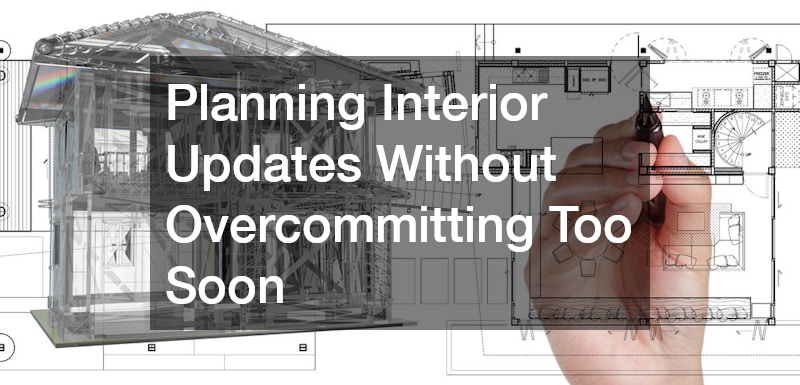
Interior changes are tempting early on, but rushing into major updates can lead to regret. Living in the space reveals how rooms are used, how light moves, and where improvements actually matter. Your first year should focus on observation and phased planning rather than immediate transformation.
Strategic home renovations are most successful when they respond to lived experience rather than assumptions. You may discover that a room you thought needed updating functions perfectly, while another area becomes a daily frustration. Letting these patterns emerge guides better decisions and avoids unnecessary disruption.
By pacing renovations, you also create space to coordinate projects logically. Addressing systems before surfaces, and functionality before finishes, reduces rework and stress. Thoughtful planning during the first year ensures renovations support your lifestyle instead of disrupting it, leading to results that feel intentional and lasting.
Understanding Roofing Choices and Long-Term Durability
Roofing is rarely exciting, but it’s one of the most impactful elements of home ownership. Even if your roof is new, understanding its materials, lifespan, and maintenance needs helps you plan responsibly. Observing performance through different weather conditions during your first year provides valuable insight.
Learning about options like metal roofing helps homeowners evaluate durability, energy performance, and long-term maintenance considerations. While not every home needs immediate changes, awareness allows you to plan ahead rather than react during emergencies. Roofing decisions are easier when they’re proactive rather than urgent.
The first year is an ideal time to gather documentation, warranties, and maintenance guidelines related to your roof. This information supports future budgeting and helps you make informed decisions when the time for replacement or upgrades eventually arrives.
Maintaining Comfort Through System Awareness

Mechanical systems quietly shape daily comfort, and understanding them early prevents unexpected issues. Heating and cooling performance often changes seasonally, revealing inefficiencies or maintenance needs. Observing system behavior during your first year builds awareness that supports proactive care.
Scheduling hvac closed loop cleaning when appropriate helps maintain efficiency and indoor air quality. Even if your system appears to function well, routine evaluation supports longevity and consistent performance. Maintenance isn’t about fixing problems—it’s about preventing them.
Your first year should include learning where filters are located, how controls function, and what normal operation sounds like. This familiarity allows you to notice changes early and respond calmly rather than urgently. System awareness is a key component of confident homeownership.
Choosing Durable Surfaces for High-Use Areas
Kitchens and bathrooms often reveal their true wear patterns only after daily use begins. Surfaces that looked pristine during showings may show wear quickly once lived in. Your first year helps identify where durability matters most and where upgrades will have the greatest impact.
Exploring options like local quartz countertops allows homeowners to balance aesthetics with practicality. Durable surfaces reduce maintenance demands and support long-term satisfaction. Waiting to upgrade until you understand usage patterns ensures your choices align with real needs rather than assumptions.
Planning surface upgrades strategically also helps coordinate with other projects. Aligning counters with cabinetry, plumbing, or lighting upgrades reduces disruption. Thoughtful sequencing during your first year leads to cohesive results that feel intentional rather than piecemeal.
Addressing Driveways and Exterior Access Early
Exterior access points influence both functionality and curb appeal. Driveways, walkways, and parking areas often experience wear that becomes noticeable once you’re using them daily. Observing drainage, cracking, and traffic patterns during your first year informs future decisions.
Consulting with asphalt companies helps homeowners understand maintenance timelines and improvement options without rushing into action. Early knowledge supports budgeting and prevents surprises when wear accelerates. Exterior access planning is about safety, durability, and long-term convenience.
Addressing these areas early in the planning phase—not necessarily through immediate construction—helps align exterior improvements with interior upgrades. Coordinated planning reduces disruption and ensures your property functions smoothly inside and out.
Your first year as a homeowner isn’t about completing every project—it’s about learning your home. By observing how spaces function, understanding systems, and planning upgrades intentionally, you build confidence and avoid reactive decisions. Thoughtful pacing allows you to invest wisely while enjoying the process of making the home truly yours.
Approaching upgrades step by step helps align improvements with real needs rather than assumptions. When organization, security, systems, and surfaces are addressed strategically, your home becomes more comfortable, efficient, and enjoyable. Each decision builds on the last, creating momentum without overwhelm. By the end of your first year, the goal isn’t perfection—it’s clarity. With a deeper understanding of how your home supports your life, you’re positioned to make smarter choices for years to come.