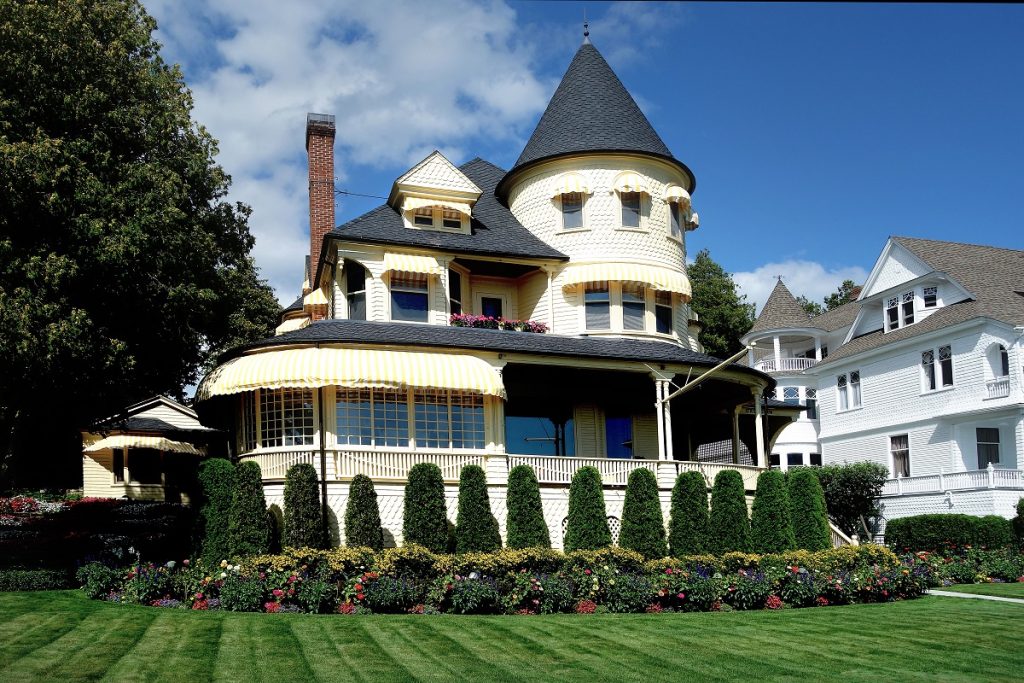
Key Takeaways:
-
Prioritize the hidden infrastructure first: Before tackling cosmetic updates, invest in upgrading structural framing, outdated electrical networks, and old plumbing lines to ensure the home is safe and durable.
-
Restore rather than replace original features: Preserving antique windows, dense old-growth wood trim, and plaster moldings maintains the property’s financial value and historical authenticity far better than mass-produced modern alternatives.
-
Modify layouts with architectural intent: When opening up traditional, closed-off Victorian rooms, use framed casings and half-walls that mimic original woodwork to seamlessly blend old and new spaces.
-
Embrace design contrast: Create a compelling visual tension by placing high-functioning, integrated modern kitchens and sleek contemporary lighting fixtures against a backdrop of historic architectural bones.
-
Improve energy efficiency sustainably: Make the home airtight and insulated using moisture-permeable materials like dense-pack cellulose and exterior storm windows, which protect the historic structure while lowering utility bills.
-
Adopt a mindset of historical stewardship: Treat the renovation as a balance of past and present, ensuring that modern functionality is introduced thoughtfully without erasing the unique soul and craftsmanship of the house.
There is something undeniable about the allure of a Victorian home. Built roughly between 1837 and 1901, these architectural gems boast intricate crown moldings, soaring ceilings, stained glass windows, and grand fireplaces. They tell a story of a bygone era focused on craftsmanship, texture, and drama. However, they also tell a story of drafty rooms, cramped and dark layouts, outdated plumbing, and electrical systems that can barely support a modern toaster, let alone a smart home ecosystem.
Living in a historic home shouldn’t mean sacrificing 21st-century comfort. The goal is not to turn your historic property into a sterile museum, nor is it to gut it completely and turn it into a modern white box. The real magic happens when you strike a perfect balance between the past and the present. By blending historic preservation with contemporary design, you can enjoy the best of both worlds: a home overflowing with soul, equipped with the functionality of a new build.
Why Should You Keep the Historic Details?
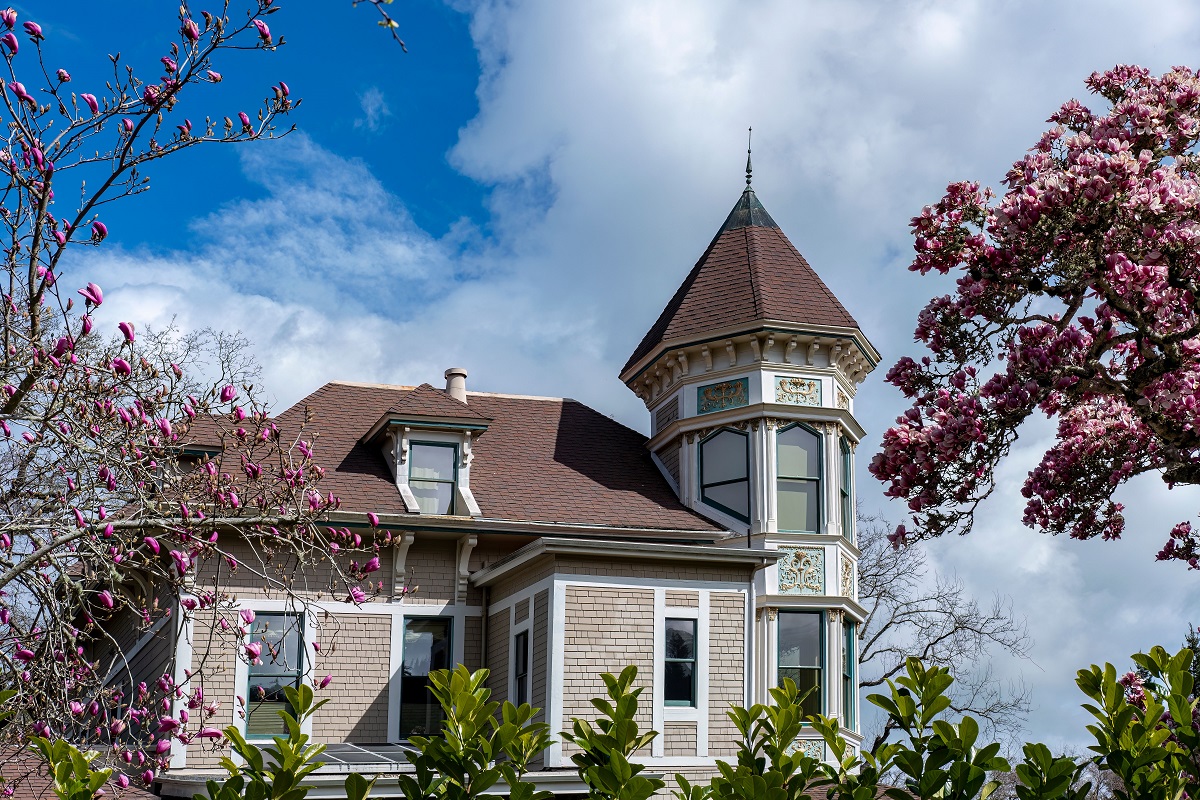
It is tempting to look at a bruised, century-old baseboard and think it is easier to rip it out and buy a new one at a big-box hardware store. But mass-produced modern trim rarely matches the dense, old-growth timber used in original Victorian builds. Preserving these elements keeps the intrinsic value of your home high. Buyers looking for historic properties want the authentic charm, not a replica.
Beyond financial value, preservation is a sustainable choice. Tearing out plaster, solid wood doors, and hand-carved mantels fills up landfills unnecessarily. Most Victorian materials were designed to be repaired rather than replaced. A window built in 1890 can be re-corded, reglazed, and weather-stripped to function smoothly for another century, whereas a cheap modern vinyl replacement window often needs to be replaced entirely within twenty years.
Where Do You Begin the Remodeling Process?
Before you pick up a sledgehammer or browse paint swatches, you need a clear assessment of what you are working with. The very first step of any old home project should be a comprehensive health check of the core hidden systems. This stage requires patience and a good eye, and seeking out expert home remodeling advice early on can save you thousands of dollars in structural surprises down the road.
You should always evaluate these foundational components first:
-
The Foundation and Framing: Check for sagging floor joists, cracked foundation walls, or evidence of historical settling.
-
The Electrical Network: Many older homes still contain knob-and-tube wiring or ungrounded systems that pose severe fire hazards and cannot support modern appliances.
-
The Plumbing Lines: Galvanized iron or lead pipes need to be replaced with modern copper or PEX lines to ensure clean water pressure and prevent catastrophic leaks.
-
The Roof and Envelope: Ensure water isn’t penetrating the home through damaged slate roofs, degraded flashings, or rotted wood siding.
Fixing these invisible problems isn’t glamorous, but it provides the structural integrity required to ensure your cosmetic updates last for decades.
How Can You Open Up a Cramped Victorian Layout?
Victorian floor plans were intentionally segmented. Homes were built with distinct, closed-off rooms to contain heat from individual fireplaces and to hide the household chores, kitchen smells, and servants from the formal hosting spaces. Today, we live much more casually, favoring open sightlines and communal spaces where cooking, dining, and lounging flow together.
Can you achieve an open layout without erasing the original architectural integrity? Yes, if you approach it with a surgical mindset rather than a total demolition philosophy. Instead of tearing down every interior wall on the main floor, target specific partitions.
Create Focused Openings
Removing a non-load-bearing wall between a dark kitchen and a formal dining room can instantly flood both spaces with natural light. Instead of leaving a raw, minimalist drywall opening where the wall used to be, frame the new wider opening with casing and trim that matches the home’s original woodwork. This makes the modification look like an intentional, historical transition rather than a modern patch job.
Utilize Transoms and Half-Walls
If you want to maintain the distinct boundaries of separate rooms but need more light to circulate, consider keeping the lower half of a wall intact while opening up the top half, or installing interior glass transom windows above interior doorways. This honors the original room geometry while allowing light to penetrate deep into the center of the house.
What is the Best Way to Modernize the Kitchen?
The kitchen is often the most challenging room to renovate in a Victorian home. Originally built as utility-driven workspaces located at the back of the house, they were never intended to be the social hubs they are today. Modernizing this space requires a delicate mix of high-functioning appliances and period-sensitive materials.
To create a gorgeous, functional kitchen that respects its roots, focus on these design choices:
-
Incorporate Inset Cabinetry: Shaker-style or simple flat-panel cabinet doors with inset construction mimic the look of traditional freestanding furniture common in the late 19th century.
-
Choose Classic Stone Countertops: Soapstone, marble, and honed quartzite look timeless and develop a beautiful patina over time that fits the age of the house.
-
Integrate Your Appliances: Hide stainless steel refrigerators and dishwashers behind custom cabinet panels to keep the focus on the architectural details of the room.
-
Incorporate a Reclaimed Worktable: Instead of a massive, solid drywall island topped with stone, consider using a long, wooden antique table as your central island to maintain an airy, historic workshop feel.
How Do You Update Bathrooms for Today’s Comfort?
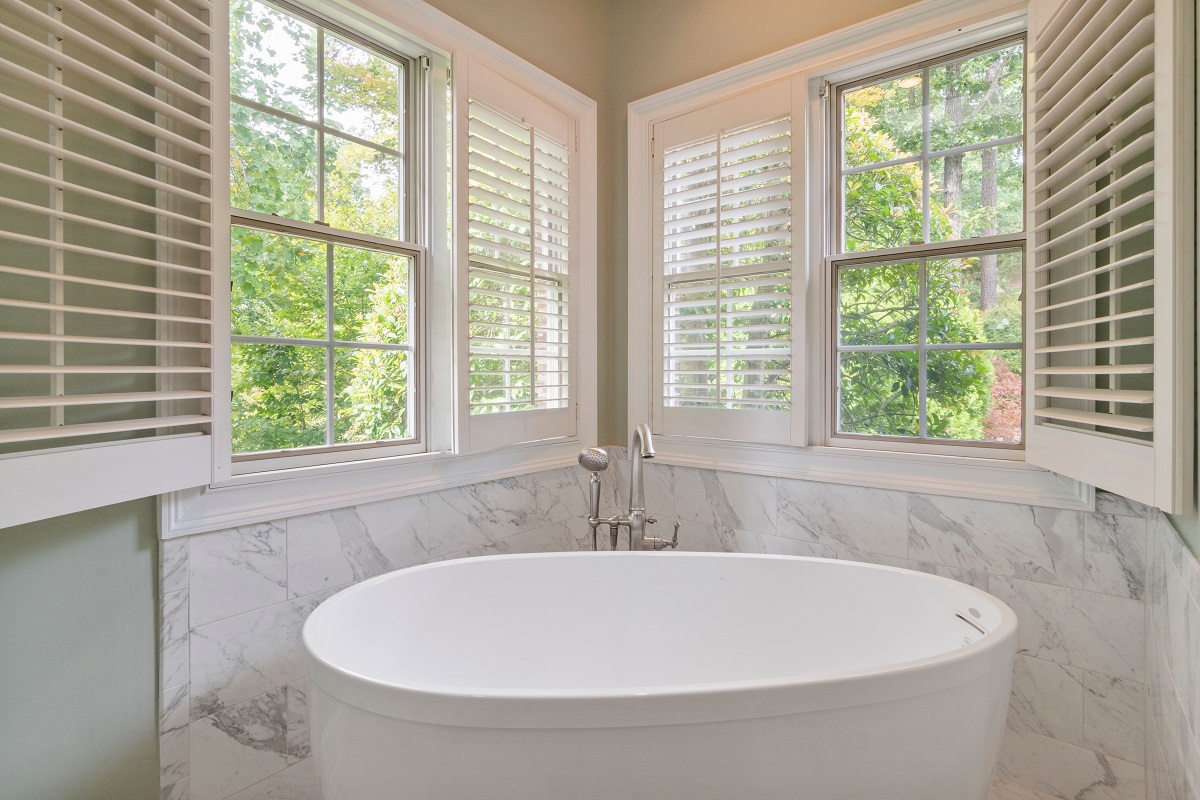
Original Victorian homes rarely had indoor plumbing, and those that did usually featured just one small bathroom tucked away in an awkward corner. Creating luxurious primary suites and functional powder rooms requires repurposing existing space, like turning a small spare bedroom into a dedicated bathroom.
To keep a new bathroom feeling cohesive with an old house, mix old-world styling with hidden modern technology. A freestanding clawfoot tub serves as a gorgeous historical focal point, but you can pair it with luxury features like programmable underfloor radiant heating beneath classic basketweave marble tile.
For the fixtures, look for traditional silhouettes in high-quality living finishes like unlacquered brass, oil-rubbed bronze, or polished nickel. These metals will change, oxidize, and age beautifully with the home, preventing the bathroom from feeling like a cold, generic hotel room.
Can You Make an Old House Energy Efficient?
Old homes have a bad reputation for being drafty, cold in the winter, and suffocatingly hot in the summer. While they were designed to breathe, relying on thick plaster walls and cross-ventilation to regulate temperature, modern expectations demand a higher level of climate control. Fortunately, you can dramatically improve efficiency and modernize your old house without losing its charm or damaging its historic fabric.
The secret to insulation in a Victorian home is avoiding materials that trap moisture. Plaster walls and timber frames need to breathe to prevent rot. Adding dense-pack cellulose insulation to wall cavities can provide great thermal resistance while allowing moisture to naturally evaporate.
Air sealing the attic floor and the basement sill plates will yield the highest return on investment, stopping cold drafts from rushing into your living spaces without altering any visible historic features.
What Should You Do With Original Windows?
Windows are the eyes of a Victorian home. The wavy, imperfect antique glass reflects light in a way that modern double-paned glass simply cannot replicate. Sadly, historic windows are often the first things homeowners rip out because they believe modern vinyl replacements are the only way to save money on heating bills.
In reality, a fully restored historic wood window paired with a high-quality, low-profile exterior or interior storm window can achieve an energy efficiency rating that rivals new double-glazed windows.
Restoration involves removing the window sashes, scraping away old paint, replacing broken sash cords, and installing hidden weather-stripping. This process preserves the original architectural proportions of the home’s exterior facade, avoids adding non-biodegradable vinyl to landfills, and costs significantly less than buying custom-shaped, high-end replacement windows.
How Do You Blend Colors and Finishes Successfully?
When it comes to decorating your updated Victorian, your color palette and interior design choices will tie the entire project together. You do not have to paint every room a historical shade of dark burgundy or heavy forest green unless you absolutely want to. A fresh, thoughtful approach to color can accentuate historic plasterwork while keeping the interior feeling airy and bright.
| Design Element | Traditional Approach | Modern Adaptation |
| Wall Paint | Dark, heavy wallpaper and saturated jewel tones | Crisp whites, soft earth tones, or moody colors used monolithically |
| Trim and Molding | Dark stained wood or high-contrast cream paint | Painted the same color as the walls in a satin/gloss finish for a seamless look |
| Flooring | Heavy oriental rugs covering dark oak planks | Refinished original pine or oak floors with light, matte protective sealants |
| Lighting | Ornate, heavy brass gas chandeliers | Minimalist architectural lighting mixed with bold, sculptural modern pendants |
By painting intricate crown moldings and baseboards the same color as your walls, you soften the visual transitions in the room. This monochromatic approach allows the sculptural beauty of the historic trim to shine through via shadows and light contrast, without making the room feel choppy or dated.
How Can Lighting Bridge the Gap Between Eras?
Victorian homes were built before electrical lighting was common, meaning they relied on large windows during the day and dim gas lamps or candles at night. As a result, these houses often have dark hallways and shadowy corners that need help from modern lighting design.
The key to lighting a historic home is layering. Instead of punching a grid of dozens of modern recessed cans into a historic plaster ceiling, which ruins the ceiling’s integrity and looks entirely out of place, rely on a mix of discreet architectural lighting and statement fixtures.
Use low-profile LED track or tape lights hidden behind picture rails or crown molding to cast a soft, ambient glow upward across the ceiling. Then, install a bold, modern sculptural chandelier over your dining table or living room center. The juxtaposition of a sleek, contemporary light fixture hanging from an ornate, 130-year-old plaster medallion creates a beautiful design tension that highlights the best of both styles.
Summary Checklist for a Successful Renovation
To keep your project structured, budget-conscious, and respectful of the home’s history, keep this quick checklist handy as you move forward:
-
Invest in the hidden bones first: Prioritize structural, plumbing, and electrical upgrades before spending money on beautiful cosmetic finishes.
-
Keep what can be saved: Restore original windows, interior doors, hardware, and moldings whenever possible instead of opting for modern replacements.
-
Plan changes carefully: Use sympathetic architectural transitions when opening up walls to ensure the new floor plan feels natural to the house.
-
Lean into contrast: Don’t be afraid to mix clean, contemporary furniture, kitchens, and artwork against a backdrop of historic architectural bones.
-
Work with specialists: Hire contractors, carpenters, and tradespeople who have specific experience working with historic structures and understand old-world building techniques.
Final Thoughts
When you own a Victorian home, you are more than just a property owner; you are a temporary steward of a piece of architectural history. The choices you make during your renovation will dictate how the house lives for the next half-century.
By treating the original craftsmanship with respect, choosing high-quality materials, and introducing modern amenities with a thoughtful, intentional eye, you can create a home that honors its storied past while serving your family perfectly every single day. Take your time, embrace the natural quirks of your old house, and enjoy the incredibly rewarding process of bringing a classic home into the modern age.