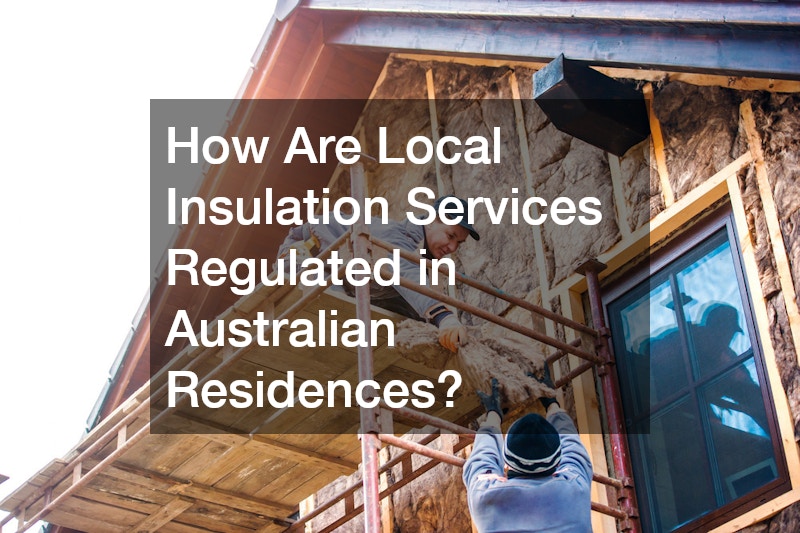
Installing thermal insulation in Australian homes is far more than a simple cosmetic upgrade or minor DIY project. Given the extreme temperature swings experienced across the country — from freezing winter nights in the Southern Highlands to blistering summer heatwaves in the Outback — residential thermal efficiency directly impacts household comfort, energy expenses and structural safety. Because retrofitting or fitting out a dwelling involves significant electrical, structural and safety considerations, local insulation services across Australia are subject to a robust, multi-layered regulatory framework.
The National Construction Code & Minimum Thermal Performance
At the national level, the principal framework setting thermal performance benchmarks for residential properties is the National Construction Code (NCC), published by the Australian Building Codes Board (ABCB). Under recent NCC updates, most new residential dwellings (Class 1 single homes and Class 2 apartment complexes) are required to achieve a minimum 7-star thermal rating under the Nationwide House Energy Rating Scheme (NatHERS) or the equivalent BASIX system in New South Wales.
To achieve these high star ratings, tradespeople providing local insulation services must ensure that the products installed deliver specific thermal resistance values, known as R-values. The required R-value varies depending on the specific climate zone of the building, ranging from tropical northern environments to cold alpine regions.
Furthermore, all insulation products sold and installed in Australian residences must satisfy AS/NZS 4859.1, the joint Australian and New Zealand standard specifying thermal insulation materials. This standard governs product testing for:
- Thermal performance and stability over time
- Fire safety and reaction-to-fire performance
- Moisture resistance and combustibility ratings
Installation Standards & Safety Regulations
While manufacturing standards regulate the material itself, physical installation work in domestic roof spaces, wall cavities and subfloor areas is regulated under AS 3999:2015 (Thermal insulation of dwellings – Bulk insulation – Installation requirements).
AS 3999 was updated to establish clear risk-mitigation measures following historic industry safety reviews. Work in roof cavities carries inherent hazards, particularly regarding electrical wiring, heat-generating appliances and high ambient temperatures. The key requirements set out by AS 3999 include:
1. Electrical Safety Clearances
Installers must maintain mandatory safety clearances between bulk insulation and electrical fixtures, halogen downlights, transformers and chimneys. Smothering light fittings or electrical cables can trap heat, creating severe fire hazards or causing cable degradation over time.
2. Pre-Work Risk Assessments
Before entering a roof cavity, workers must conduct thorough hazard checks. This includes assessing timber truss integrity, identifying uninsulated electrical wiring and checking for hazardous materials like friable asbestos or legacy loose-fill insulation.
3. Structural Ventilation
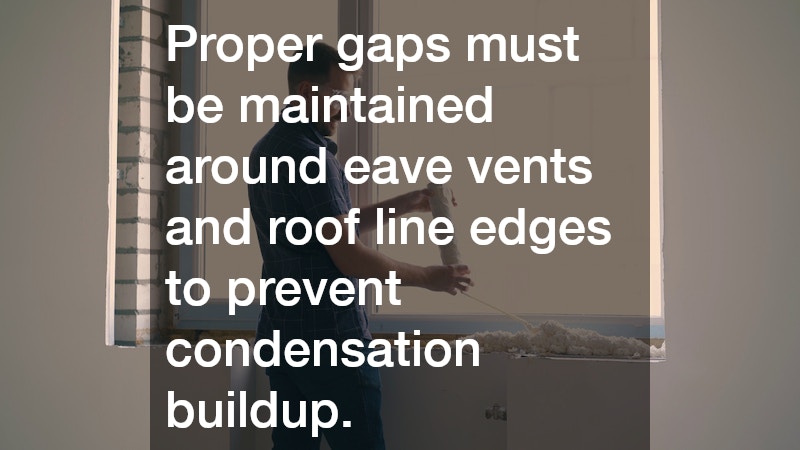
Proper gaps must be maintained around eave vents and roof line edges to prevent condensation buildup. Obstructing natural airflow can cause moisture retention, leading to mould growth and timber rot within the roof structure.
State & Territory Licensing Requirements
Because building regulation is administered by individual state and territory governments, licensing requirements for installation professionals vary across jurisdiction borders.
In Victoria, the Victorian Building Authority (VBA) requires specific contractor registrations for trades performing structural or specialist insulation work. Installers in Victoria must comply with strict state building regulations and safety frameworks to ensure public protection and structural compliance.
In New South Wales, installers undertaking residential work valued over $5,000 must hold a valid Contractor Licence issued by NSW Fair Trading. Additionally, all workers active on residential building sites must hold a General Construction Induction Card (White Card).
In the Australian Capital Territory (ACT), landlords are bound by strict minimum ceiling insulation standards for rental homes. Installation work in the territory must be performed or directly supervised by a certified professional installer.
In Queensland, installation work is governed under the Queensland Development Code through the Queensland Building and Construction Commission (QBCC). This requires strict adherence to building envelope performance, thermal barriers and fire hazard indices.
Industry Accreditation & Certification
Beyond statutory licensing, professional accreditation schemes play an increasingly vital role in consumer protection and quality assurance. The Energy Efficiency Council (EEC), in collaboration with industry peak bodies, manages the Certified Insulation Installer program across Australia.
To gain EEC certification, installers must demonstrate practical competency, complete recognised TAFE or Registered Training Organisation (RTO) units, maintain public liability insurance and hold an active White Card. Certified professionals are required to sign a strict code of conduct and complete continuing professional development to ensure their technical knowledge remains up to date.
Rental Property Compliance & Documentation
Regulations have also expanded to safeguard tenants in residential rental properties. In jurisdictions like the ACT and Victoria, minimum energy efficiency standards require rental properties to have ceiling insulation meeting specific minimum R-values (typically R2.5 or higher) where ceiling spaces are accessible.
Upon completing an installation or retrofit, professional trade services issue a formal Certificate of Compliance or installation disclosure statement. This document certifies that:
- The materials installed comply with AS/NZS 4859.1.
- The installation fully satisfies AS 3999:2015 safety clearances.
- The achieved thermal R-value meets the specifications agreed upon in the building design.
A Safer, More Efficient Future
The regulation of residential thermal insulation in Australia combines national thermal targets, strict safety codes and state-level contractor oversight. By enforcing compliance with AS 3999, NCC 2022 standards and formal licensing schemes, Australia ensures that residential properties remain comfortable, energy-efficient and structurally safe for decades to come. Homeowners looking to upgrade their thermal envelope should always verify that their chosen service provider holds appropriate state licences, public liability insurance and formal trade qualifications.