Every homeowner improvement decision eventually comes down to one question: will this actually pay off when you sell, or is it money spent purely for your own enjoyment? Some projects quietly boost your home’s value and buyer appeal, while others cost far more than they ever return. Understanding which upgrades deliver the strongest financial return can help you prioritize your budget and avoid regret. This guide breaks down the additions and renovations that tend to offer the best payback, so you can invest with confidence.
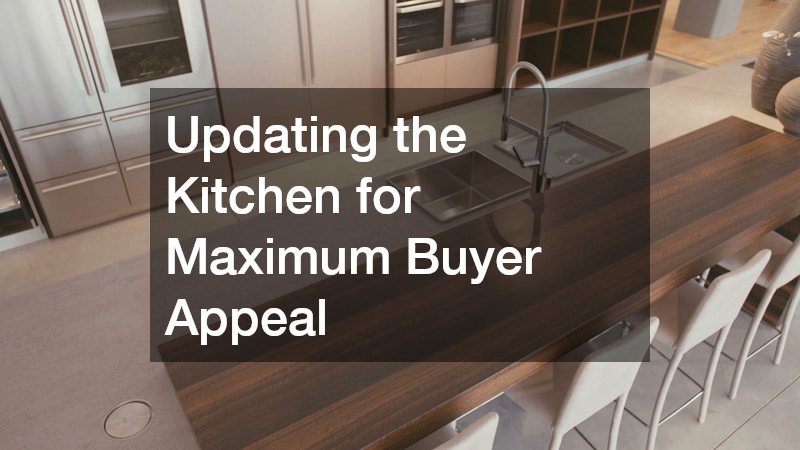
Updating the Kitchen for Maximum Buyer Appeal
The kitchen remains the single most influential room when it comes to resale value, and buyers notice outdated cabinetry, worn countertops, and cramped layouts almost immediately. A thoughtful kitchen remodeling project does not need to be a full gut job to make an impact; even targeted updates can shift how a home is perceived on the market. The key is balancing style with function, since a kitchen that looks good but doesn’t work well for everyday cooking will fall flat with buyers who plan to actually live in the space.
When budgeting for a kitchen refresh, focus on the elements that get the most visual and functional attention first. Cabinets are often the largest visible surface in the room, so replacing or refacing them tends to deliver a noticeably higher perceived value than smaller cosmetic touches.
- Prioritize layout improvements that increase counter space and storage
- Choose neutral finishes that appeal to a broad range of buyers
- Upgrade lighting to make the space feel larger and more modern
- Consider energy-efficient appliances as a selling point
Adding Square Footage That Buyers Actually Want
Expanding your home’s footprint is one of the more expensive ways to increase value, but it can also produce some of the highest returns when done strategically. A well-planned home addition that adds a bedroom, bathroom, or usable living space tends to outperform additions that create awkward or single-purpose rooms. Before committing, research what similar homes in your neighborhood offer, since an addition that pushes your home well beyond the local norm may not fully pay off.
The type of addition matters just as much as the square footage itself. A primary suite addition, for example, often appeals more broadly than a sunroom, because it serves a universal need rather than a niche lifestyle preference.
- Match the addition’s style and materials to the existing structure
- Prioritize additions that increase bedroom or bathroom count
- Avoid over-building relative to neighboring home values
- Get a permit and inspection to protect resale value later
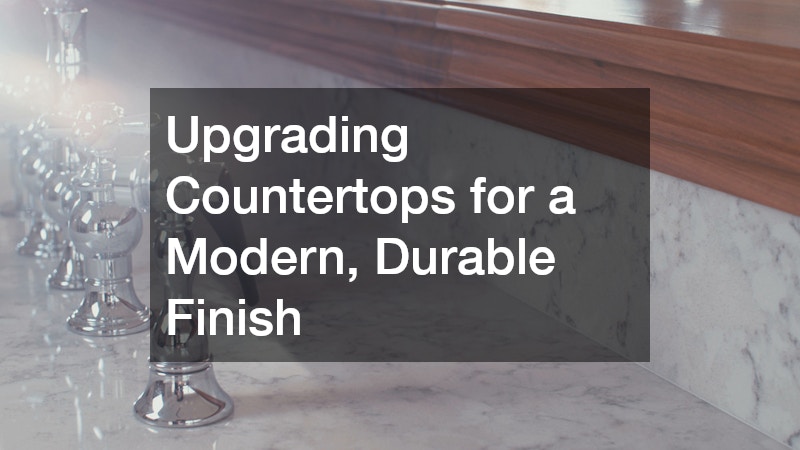
Upgrading Countertops for a Modern, Durable Finish
Countertops are one of the most touched, most seen surfaces in any home, which makes them a smart place to invest when trying to boost perceived value. A custom countertop crafted from quartz, granite, or another durable material signals quality to buyers and can make an entire kitchen or bathroom feel upgraded, even if other elements stay the same. Because countertops are functional as well as decorative, buyers tend to view them as a practical investment rather than a purely cosmetic one.
Material choice affects both cost and long-term appeal, so it is worth understanding the tradeoffs before committing to a slab. Quartz tends to offer excellent durability with minimal maintenance, while natural stone options provide unique veining that some buyers find more luxurious.
- Quartz resists staining and scratching better than many natural stones
- Granite offers a natural look with strong heat resistance
- Butcher block can add warmth but requires more upkeep
- Edge profiles and finishes can change the overall look significantly
Improving Ventilation With Proper Range Equipment
Kitchen ventilation is an often-overlooked detail that can quietly influence how buyers judge the overall quality of a renovation. Professional kitchen hood installation removes smoke, grease, and odors efficiently, which protects cabinetry and paint from long-term damage while also signaling to buyers that the kitchen was renovated with real cooking in mind. A visibly high-quality range hood, whether a sleek built-in model or a statement piece, can also serve as a design focal point.
Beyond aesthetics, proper venting has practical implications for air quality and home maintenance that buyers increasingly ask about during walkthroughs. Homes with inadequate or missing ventilation often raise red flags during inspections, which can complicate a sale down the line.
- Confirm proper cubic feet per minute rating for your kitchen size
- Choose ducted systems over recirculating ones when possible
- Match the hood’s finish to other kitchen hardware for a cohesive look
- Have ductwork inspected during any major renovation
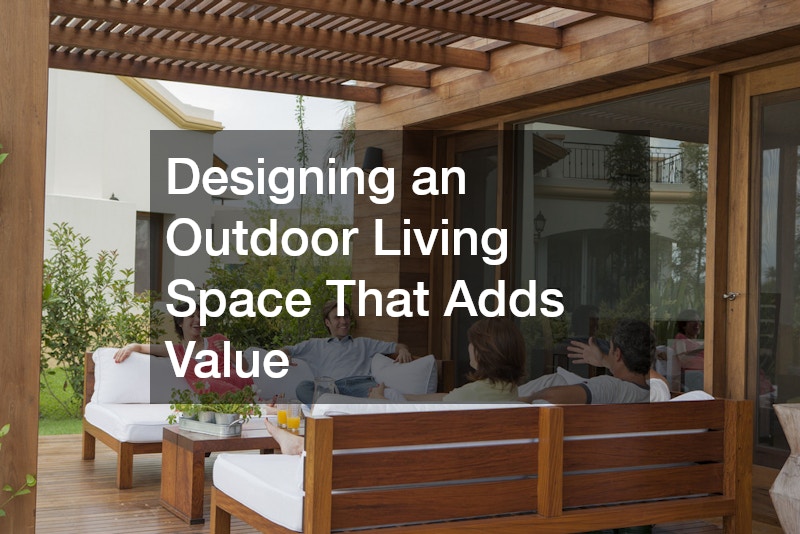
Designing an Outdoor Living Space That Adds Value
Outdoor amenities have become increasingly important to buyers, especially in warmer climates where outdoor living is part of daily life. Working with a custom pool builder to design a pool that fits your yard’s size and style can transform a backyard into a genuine selling point rather than an afterthought. The best-performing pools are proportional to the lot, blend with the home’s architecture, and include practical features like efficient filtration and safety fencing.
It is worth noting that pools do not universally guarantee a strong return, since climate, neighborhood expectations, and maintenance costs all factor into buyer perception. In warm-weather regions where pools are expected, skipping one can actually limit your buyer pool, while in cooler climates the same investment may not pay off as well.
- Research typical pool ownership costs in your area before building
- Choose energy-efficient pumps and heaters to reduce operating costs
- Add shaded seating areas to make the space usable year-round
- Ensure proper permitting and fencing for safety compliance
Refreshing Bathrooms With Practical, Modern Fixtures
Bathrooms are second only to kitchens in terms of buyer scrutiny, and small, targeted updates here often deliver strong value relative to their cost. Replacing an outdated tub-shower combo with a glass shower enclosure is one of the most requested updates among buyers, since it creates a cleaner, more spacious, and more modern feel in even a small bathroom. This single change can make an entire bathroom feel renovated without requiring a full remodel.
Beyond the shower itself, small details like updated faucets, better lighting, and improved ventilation all contribute to a bathroom that feels fresh rather than dated. Buyers tend to associate a well-executed bathroom update with the overall condition of the home, so it pays to get these details right.
- Choose frameless glass for a cleaner, more modern appearance
- Add anti-fog mirrors or built-in lighting for practicality
- Improve exhaust fans to reduce moisture and mold risk
- Keep hardware finishes consistent throughout the bathroom
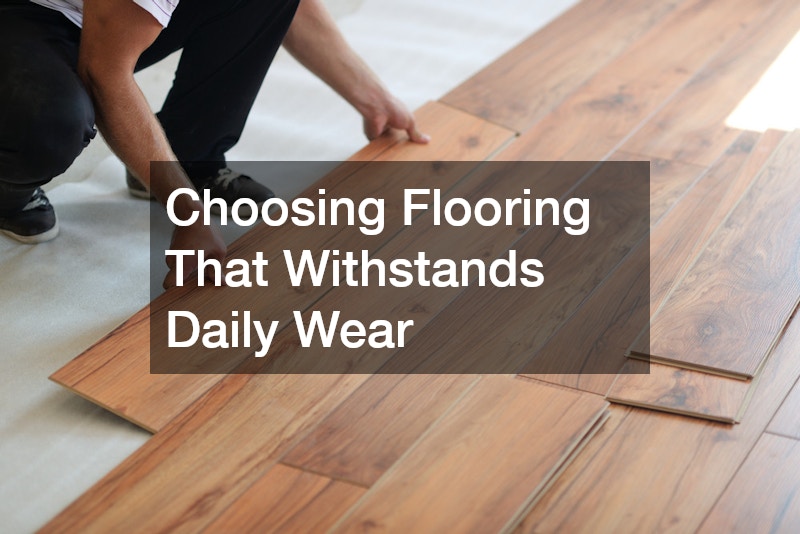
Choosing Flooring That Withstands Daily Wear
Flooring affects nearly every room in the house, and worn or dated floors can drag down the perceived value of an otherwise well-maintained home. Visiting a flooring store to compare materials side by side is one of the best ways to understand how different options perform under real-world conditions, from pet traffic to moisture exposure. Durable, attractive flooring can unify a home’s look and make individual rooms feel more polished.
The right flooring choice often depends on the room’s function as much as its appearance. Hard surfaces tend to perform better in high-traffic or moisture-prone areas, while carpet may still appeal in bedrooms for comfort.
- Luxury vinyl plank offers durability and water resistance at a moderate price
- Hardwood adds long-term value but requires more careful maintenance
- Tile performs well in kitchens, bathrooms, and entryways
- Consistent flooring throughout main living areas can make a home feel larger
Protecting the Home With Storm-Resistant Windows and Doors
In regions prone to severe weather, protective upgrades can be just as valuable as cosmetic ones, particularly when they lower insurance costs and reduce storm damage risk. Installing hurricane impact windows and doors is one of the more compelling upgrades for buyers in coastal or storm-prone areas, since it combines safety, energy efficiency, and noise reduction into a single investment. Many buyers specifically search for homes with this feature already in place, which can shorten time on market.
Beyond storm protection, impact-rated windows often improve a home’s energy efficiency by reducing drafts and UV exposure, which can lower utility bills year-round. This dual benefit makes the upgrade appealing even to buyers who are not primarily focused on storm resistance.
- Look for windows rated for local wind and impact standards
- Ask about potential insurance discounts for impact-rated installations
- Consider impact doors for garages and sliding patio entries
- Factor in noise reduction benefits for homes near busy areas
Refreshing the Exterior for Instant Curb Appeal
First impressions matter enormously in real estate, and the exterior of a home often determines whether buyers are excited to walk inside or already skeptical before they enter. According to Remodeling Magazine’s Cost vs. Value report, exterior projects consistently rank among the highest-return renovations, with some siding upgrades recouping 80-95% of their cost at resale.
Professional siding installation can dramatically improve curb appeal while also addressing insulation and moisture issues that older exteriors often develop over time. Materials like fiber cement or engineered wood offer durability and a high-end look without the maintenance headaches of older vinyl or wood siding, and many come with warranties spanning 30 years or more. Beyond aesthetics, new siding creates a tighter building envelope, which can lower heating and cooling costs and prevent the rot or mold issues that scare off inspectors and buyers alike.
Fresh, well-installed siding signals to buyers that the home has been properly maintained, which builds trust before they even see the interior. Pairing it with complementary updates—new gutters, a freshly painted front door, or updated exterior lighting—can amplify the effect for relatively little additional investment. Even choosing a modern, neutral color palette can make a noticeable difference in how quickly a home attracts offers.
Material choice affects both upfront cost and long-term maintenance, so it is worth weighing durability against budget carefully. According to Remodeling Magazine’s Cost vs. Value Report, siding replacement projects routinely recoup 80% to 94% of their cost at resale, making this one of the most reliable exterior investments homeowners can make.
Fiber cement and engineered wood options tend to offer a good balance of appearance and longevity compared to older, less durable materials. Fiber cement siding typically lasts 30 to 50 years, resists rot, pests, and fire, and holds paint far longer than traditional wood, though it costs more upfront and requires professional installation. Engineered wood, meanwhile, offers a warmer, more natural look at a lower price point while still standing up better to moisture than solid wood siding.
Vinyl remains the budget-friendly choice, with lower installation costs and minimal upkeep, but it can crack in extreme cold and doesn’t offer the same resale bump as fiber cement. Homeowners should also factor in climate: humid regions favor rot-resistant materials, while areas prone to hail or wildfire may benefit from fiber cement’s added durability. Getting quotes on both material and labor costs before committing can help ensure the choice aligns with the home’s resale timeline and local market expectations.
- Vinyl siding offers a low-maintenance, budget-friendly option, typically costing $4–$9 per square foot installed and recouping around 80% of its cost at resale
- Fiber cement provides durability with a more upscale appearance, resisting rot, fire, and pests while lasting 30-50 years with minimal upkeep
- Proper installation prevents moisture intrusion and future repairs, so ensure contractors use house wrap, flashing, and correct overlap techniques
- Choose a siding warranty of at least 20-30 years and verify the installer is certified by the manufacturer
- Coordinate siding color with roofing and trim for a cohesive exterior, sticking to two or three complementary tones
- Consider neutral, timeless colors like grays, beiges, or whites, which tend to appeal to a broader range of buyers
- Add accents like shutters, window boxes, or a freshly painted front door to boost curb appeal without a full siding replacement
Not every home improvement project offers the same return, but the ones that combine everyday livability with broad buyer appeal consistently perform best. Start by identifying which areas of your home feel most outdated or underused, then prioritize upgrades that improve both function and first impressions. Whether you focus on the kitchen, outdoor space, or protective exterior updates, choosing quality materials and proper installation will help ensure your investment pays off. Take time to research options and get professional input before committing, so your next project adds lasting value rather than just short-term appeal.