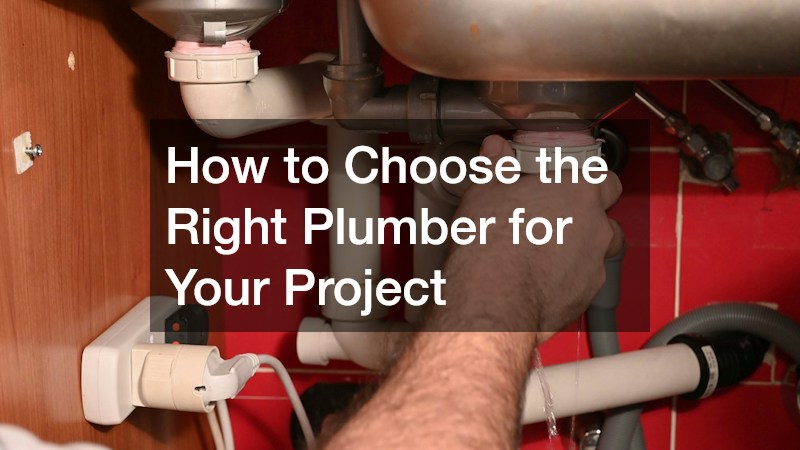
In this article, we’ll explore the essential steps to select the ideal plumber for your project. We’ll delve into several important factors to consider, ensuring that your plumbing tasks are handled by the most suitable professional. Selecting a plumber is not just about fixing a clogged drain or a leaky faucet; it’s about finding an expert who will provide long-term reliability.
It’s crucial to take the time to research and choose wisely. Understanding how to evaluate potential plumbers will save you both time and money in the long run.
What Are the Qualifications and Certifications to Look For?
When it comes to hiring a plumber, qualifications and certifications are key indicators of their expertise. A certified plumber means they have met specific industry standards and have undergone rigorous training. Most reputable plumbers will possess a state license, ensuring they have the necessary skills and knowledge to perform plumbing tasks safely and efficiently. Checking for updated certifications can also assure you of a plumber’s knowledge of the latest technologies and techniques. Additionally, certified plumbers often have to continue their education to stay up-to-date with industry changes.
Aside from the standard plumbing licenses, some plumbers might also hold additional certifications in specialized areas. This might include training in handling gas lines, water conservation systems, or advanced water heating solutions. Specialized certifications can be a bonus if your project requires expertise beyond basic plumbing services. Always inquire about any specialized training or certifications that might be applicable to your project’s needs. This shows the plumber’s commitment to their craft and provides added assurance to clients.
One effective way to verify a plumber’s credentials is to request their license number and check its validity through state websites. Engaging a plumber without verifying their qualifications is risky, as there’s a possibility of legal complications or substandard work. It’s also beneficial to ask for proof of insurance, which protects both the homeowner and plumber against any unforeseen damages during the project. Therefore, ensuring the plumber meets licensing and certification requirements provides peace of mind and protects the investment in your home’s plumbing.
How to Check a Plumber’s Reputation?
A plumber’s reputation often precedes their work quality, making it an essential aspect to consider. Reputation can be gauged through reviews and ratings from past clients, which are easily accessible on various online platforms. Sites like Google Reviews, Angie’s List, and the Better Business Bureau can offer detailed insights into the experiences of others. It’s beneficial to look for patterns in reviews, such as consistent praise or recurring complaints, to form a clear picture of what to expect. Reliable plumbers typically have high ratings and numerous positive testimonials underlining their professionalism and quality.
Word of mouth remains one of the most trustworthy forms of gaining insights about a plumber’s reputation. Asking friends, family, or neighbors for recommendations can lead you to trusted professionals who have already proven themselves in your community. Engaging with past clients, when possible, provides an in-depth understanding of the plumber’s work ethic and customer relations. This form of personal validation often offers more reliability than anonymous online reviews. Trustworthy plumbers will always have clients willing to vouch for their services.
Investigating a plumber’s reputation also involves checking their industry associations and affiliations. Membership in professional organizations, such as the Plumbing-Heating-Cooling Contractors Association, reflects a commitment to adhering to the industry’s code of ethics. Being part of such associations often requires meeting specific standards and expectations that keep a professional accountable. Evaluating a plumber’s reputation should therefore involve a blend of reviews, direct recommendations, and their professional affiliations. This comprehensive approach ensures you hire a reputable and reliable plumber.
What Questions Should You Ask Before Hiring?
Asking the right questions before hiring a plumber can reveal a lot about their capabilities and professionalism. Begin by inquiring about their experience with projects similar to yours, as this can provide confidence in their ability to handle your specific needs. It’s also important to ask about their availability to ensure they can accommodate your timeline. Discussing the scope of the project upfront will alleviate misunderstandings and ensure the plumber is well-prepared for any challenges. Clarifying these aspects helps in aligning expectations and averting potential hiccups during the project.
Always be sure to discuss payment terms and obtain a detailed estimate before any work begins. Open dialogue about costs can prevent disputes and ensures transparency, which is vital for a trustworthy working relationship. It’s beneficial to ask how the plumber handles unexpected issues or changes in project scope, as flexibility and clear communication are important qualities. Understanding their approach to unforeseen problems will help gauge their problem-solving skills. Costs should be clear with no hidden fees, thus guaranteeing you receive the best value for your investment.
Lastly, inquire about the plumber’s guarantee or warranty policies. Trustworthy plumbers stand by their work and offer warranties or guarantees that provide post-service security. A comprehensive warranty will cover aspects like workmanship and parts, offering peace of mind and ensuring long-lasting results. Discussing warranties also highlights the plumber’s confidence in their services. Ensure you receive all promises in writing to safeguard any future claims or service follow-ups.
How to Compare Pricing and Get the Best Value?
Price is a significant factor when hiring a plumber, but it shouldn’t be the sole determinant. Comparing quotes from multiple plumbers provides a benchmark for evaluating fair market prices. It’s important to understand exactly what is included in each quote, as the cheapest option may not be the most cost-effective long-term. Some plumbers offer a low initial quote only to add unforeseen costs later, so clarity upfront can prevent future disputes. Striking a balance between affordability and quality ensures you receive satisfactory service at justifiable rates.
When comparing prices, take into account both the quality of materials used and the level of service offered. Sometimes, paying a little extra can guarantee higher quality materials that will last longer and reduce the likelihood of future problems. Understanding the value associated with each price point helps in making an informed decision. Additionally, ensure that the plumber is transparent about whether their quoted price includes all Labor, materials, and potential taxes or fees. This minimizes the likelihood of unexpected expenses cropping up in the middle of the project.
Cost comparisons should also factor in any warranties or guarantees provided with the service. Plumbers that offer comprehensive warranties represent added value as they imply confidence in their work, which can save costs long-term. Effective cost evaluation must also reflect the plumber’s experience and expertise, which often correlates with higher service quality. By considering these factors alongside price, homeowners ensure they receive optimal service without overspending. This balanced approach to comparing pricing helps homeowners get the best value for their plumbing needs.
Why is Plumber’s Experience and Specialization Important?
A plumber’s experience is a critical factor that influences their ability to handle various challenges that arise during a project. Seasoned professionals have encountered numerous issues and have developed the skills to troubleshoot efficiently. Experience often translates to high-quality workmanship, reducing the risk of recurring issues. Furthermore, an experienced plumber can offer valuable advice and recommend the best approaches to prevent future problems. Therefore, always consider the number of years a plumber has been in business as a measure of their competency.
Specialization is another vital aspect, particularly if your project involves unique requirements or complex systems. Some plumbers may specialize in residential services, while others have expertise in commercial or industrial systems. Selecting a plumber with the right specialization ensures they are familiar with the latest technologies and best practices for your specific needs. Specialized knowledge can lead to more efficient problem-solving and a smoother project overall. Therefore, assessing both experience and specialization is crucial to choosing the right professional for your project.
While experience and specialization are important, they should be evaluated alongside other factors such as reputation and pricing. However, these elements are usually strong indicators of a plumber’s ability to deliver satisfactory results. Reliable plumbers often have a track record of successful project completions and satisfied clients. With the right balance of qualifications, experience, and specialized skills, a plumber can ensure your project is completed efficiently and to a high standard. This underscores the importance of taking experience and specialization into account when making your decision.
Choosing the right plumber for your project involves careful consideration of qualifications, reputation, and experience. By asking the right questions and comparing options, you can ensure that your plumbing needs are met with expertise and reliability. Remember that the cheapest option isn’t always the best; instead, focus on finding a qualified and trustworthy professional. Doing thorough research and taking the time to evaluate potential plumbers can save you from unnecessary headaches down the line. With the right plumber, your project can be completed efficiently and to the highest standard.