The home remodeling industry is experiencing a significant evolution, driven by a mix of functional needs and emerging aesthetic preferences. In today’s dynamic housing market, homeowners are not just looking to upgrade their living spaces aesthetically but are also focusing on enhancing practical features to suit their lifestyles. Given the current economic landscape, many individuals are opting to remodel existing spaces rather than investing in new properties.
This shift is influenced by a range of factors, including advancements in technology, changing work arrangements, and an increased focus on sustainability. Understanding these trends provides insight into how people are enhancing their homes to maximize comfort, functionality, and appeal.
1. Why is kitchen remodeling a top trend in home renovation?
The kitchen has long been considered the heart of the home, and its role has become even more central with current remodeling trends. Many homeowners are investing in open-plan kitchen designs that seamlessly integrate with dining and living spaces, creating a more connected and familial environment. To accommodate busy lifestyles and modern cooking practices, there is also a growing demand for smart kitchen appliances that enhance convenience and energy efficiency. In addition to functionality, aesthetic elements such as bold cabinet colors and unique backsplash patterns are increasingly popular. This trend reflects a broader desire to make the kitchen not only a place for cooking but also a hub for social interaction and entertainment.
A key factor driving kitchen renovations is the shift towards multifunctionality. As more people work from home, the kitchen has evolved into a versatile space that might serve as a work area, a meeting place, and a culinary workshop. This has led to an increased interest in customizable storage solutions to keep countertops uncluttered while ensuring easy access to frequently used items. Additionally, the integration of sustainable materials such as recycled countertops and energy-efficient lighting solutions is gaining traction. This blend of practicality, style, and environmental consciousness is shaping the way modern kitchens are designed.
Open shelving is another trend being incorporated into kitchen redesigns, which allows homeowners to display decorative items or frequently used tools stylishly. It fosters a sense of openness and personalization, enabling easy access to daily essentials. Kitchen islands have also become a focal point in renovations, adding utility and style through multi-level surfaces and integrated appliances. Another growing trend involves the installation of large windows or sliding doors to bring natural light into the kitchen and enhance connectivity with outdoor areas. These elements reflect the overarching trend toward creating adaptable, light-filled, and welcoming kitchen spaces that cater to contemporary needs and preferences.
2. What are the latest trends in bathroom design and remodeling?
Bathroom remodeling trends are increasingly focusing on transforming these spaces into spa-like retreats within the home. Homeowners are investing in luxurious features such as standalone soaking tubs, expansive rain showers, and dual vanities to enhance relaxation and functionality. There’s also a notable move towards utilizing natural materials such as stone and wood, which contribute to a warm and inviting ambiance. In addition to high-end finishes, technology plays a significant role, with smart mirrors, lighting, and even app-controlled showers becoming commonplace. This combination of luxury and innovation turns the bathroom into a personal haven for unwinding.
Sustainability is emerging as a central theme in bathroom design, with many opting for water-saving fixtures like low-flow toilets and sensor-activated faucets. These environmentally-friendly choices not only minimize water consumption but also reduce utility bills, reflecting a broader commitment to eco-conscious living. The adoption of LED lighting solutions that offer both durability and energy savings further supports this trend. In terms of color schemes, neutral tones remain popular, but there is also an increasing interest in minimalist and monochromatic styles that emphasize simplicity and elegance. This approach enhances the sense of serenity and cleanliness desirable in modern bathrooms.
Space optimization is also a critical consideration in bathroom renovations, particularly in smaller homes or urban environments. Homeowners are installing wall-mounted fixtures and cabinetry to maximize floor space while maintaining ample storage for toiletries and linens. Creative solutions such as pocket doors and integrated design features help in creating a seamless flow and reducing visual clutter. The use of mirrors, both for practicality and design aesthetics, is popular for enhancing brightness and the perception of space. Ultimately, these trends reflect a desire for bathrooms that combine practicality with aspects of tranquility and indulgence.
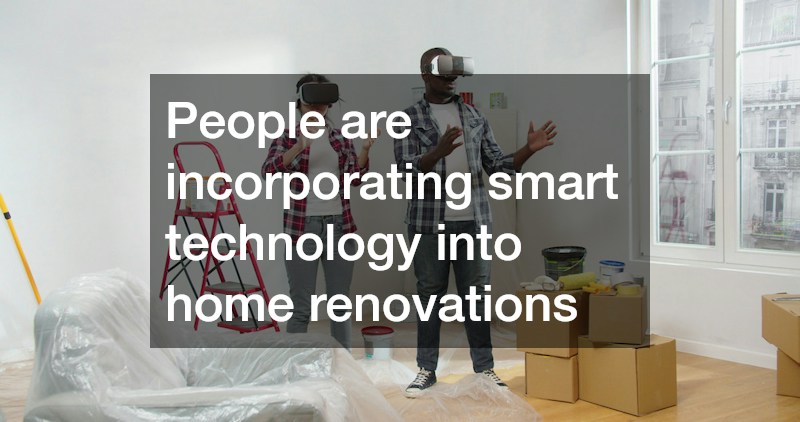
3. How are people incorporating smart technology into home renovations?
The incorporation of smart technology in home renovations represents a major trend geared towards enhancing convenience, security, and energy efficiency. Homeowners are increasingly investing in systems that can be controlled remotely via smartphones or voice-activated devices, including security cameras, thermostats, and lighting controls. The ease of managing home settings from anywhere not only boosts comfort but also ensures better resource management. For instance, programmable thermostats allow users to optimize heating and cooling schedules, providing both economic and environmental benefits. This integration of smart technology into home environments is revolutionizing the way people interact with their living spaces.
Entertainment systems have not been left behind in the smart technology revolution, with many remodels incorporating sophisticated sound systems and streaming solutions. Automated window treatments and smart bulbs further enhance the ambiance, contributing to a personalized and enjoyable home atmosphere. Additionally, smart kitchen appliances, from refrigerators that create shopping lists to ovens that can be preheated from mobile devices, are gaining popularity. These innovations empower users with more control, offering new levels of convenience in everyday tasks. Such advancements show the growing preference for homes that support a technology-driven lifestyle.
Security enhancements through smart technology add an extra layer of protection, making homes safer and potentially more valuable. As an increasing number of homeowners install smart locks, video doorbells, and motion-detection systems, they foster peace of mind and heightened security awareness. Beyond home safety, there’s also a trend towards integrating smart technology that aids in healthy living, such as air purifiers and humidity sensors. Together, these trends illustrate a commitment to leveraging technology not just for luxury or novelty, but for creating living environments that are safer, healthier, and more efficient. Such developments are setting a new standard in home renovation projects.
4. What are the current trends in outdoor living space renovations?
Outdoor living spaces are being radically transformed as they become extensions of indoor environments, offering functionality and leisure. This trend reflects a desire to maximize property usage by creating adaptive outdoor areas that cater to both social interactions and solitary relaxation. Features such as outdoor kitchens, expansive patios, and fire pits are increasingly popular, allowing for comfortable year-round gatherings regardless of climate conditions. Alongside these developments, the use of durable, weather-resistant materials ensures longevity and low maintenance of outdoor environments. Enhancements to outdoor spaces underscore the growing emphasis on creating versatile and enjoyable environments that cater to diverse lifestyle needs.
Landscaping has also emerged as a key focus in the renovation of outdoor areas, with an emphasis on visually appealing and sustainable designs. Incorporating native plants and water-efficient garden systems can reduce maintenance while fostering ecological balance. Additionally, outdoor lighting solutions, including solar-powered path lights and LED fixtures, enhance ambiance while promoting energy efficiency. These green initiatives align with the broader home renovation trend towards sustainability and environmentally friendly designs. They reflect an increasing preference for spaces that harmonize with nature and enhance property aesthetics.
Outdoor spaces are also being enhanced to serve as functional oases that support diverse activities and experiences. Customized seating areas, pergolas, and even personal fitness installations provide options for relaxation, recreation, and exercise. Water features, such as small ponds and decorative fountains, add aesthetic and sensory appeal, promoting a sense of tranquility. As urban living grows denser, creating personalized and rejuvenating outdoor spaces becomes more crucial, offering residents a way to escape the hustle and bustle of daily life. This trend towards personalized and multi-use outdoor areas highlights the evolving perspective of home environments as holistic spaces that cater to comprehensive well-being.
5. How has the concept of home offices evolved in recent remodeling projects?
The evolution of home offices in modern remodels reflects changes in work dynamics, with more people working remotely or pursuing flexible work arrangements. As a result, home offices have become essential spaces, requiring thoughtful design to support productivity and comfort. Current remodeling projects focus on creating dedicated workspaces that blend functionality with style, often incorporating ergonomic furniture, natural lighting, and soundproofing elements. These enhancements ensure that remote workers can perform efficiently without compromising the quality of their home environment. The trend also includes integrating technology such as built-in charging stations and wireless connectivity, essential for seamless work-from-home experiences.
Adaptable home office designs are gaining popularity, allowing for multipurpose use beyond traditional work tasks. Many remodelers are incorporating foldaway desks, modular shelving, and movable partitions that cater to the dual role of the office as both a work and leisure space. This flexibility accommodates varying household dynamics, where spaces may need to alternate between functions, such as guest rooms or hobby areas. Additionally, aesthetic considerations are crucial, as homeowners seek to personalize these spaces with art or personal memorabilia. Such trends underscore a shift towards home offices that are efficient yet comfortable, supporting a balanced home life.
The integration of biophilic design principles into home offices is another notable trend, promoting well-being by connecting interior spaces with nature. This may involve the use of natural materials, indoor plants, and large windows that bring in abundant natural light. Creating a harmonious and inspiring work environment can significantly enhance creativity and reduce stress. Furthermore, sound management solutions, such as acoustic panels, are increasingly important, ensuring a distraction-free atmosphere conducive to concentration. Collectively, these elements reflect a broader understanding of how home office settings influence both mental and emotional well-being, prompting more thoughtful design in remodeling efforts.
To sum up, the most popular home remodeling trends today emphasize a delicate balance between functionality, style, and technological integration. Spaces like kitchens and bathrooms are being redesigned as multifunctional areas that offer both practicality and luxury. Outdoor and home office renovations highlight a growing desire to align living environments with personal lifestyles and evolving work habits, reflecting a holistic approach to modern home design. The adoption of smart technology supports these adaptations, driving innovation in both convenience and sustainability. As homeowners continue to seek ways to enhance their spaces, these trends will likely persist, guiding future remodeling projects towards a more versatile and connected living experience.