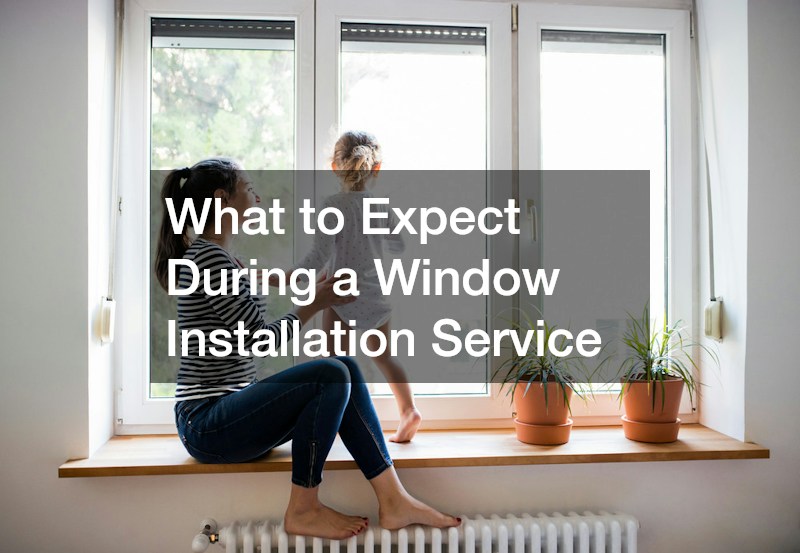
Replacing old or damaged windows can improve your home’s appearance, comfort, and energy efficiency. However, if you’ve never scheduled a window installation before, you may be unsure what the process involves. Knowing what to expect can help you prepare your home, communicate with your installer, and understand the steps required to complete the project. From the initial assessment to the final inspection, here’s what typically happens during a professional window installation service.
The Initial Consultation and Window Selection
The process usually begins with a consultation to discuss your goals, budget, and preferred window styles. You might want to replace drafty windows, update your home’s appearance, or improve insulation.
Your installer can help you compare available materials, frame styles, glass options, and operating mechanisms.
A qualified replacement window contractor can also explain the differences between vinyl, fiberglass, wood, and other frame materials. Each option has its own advantages in terms of appearance, maintenance, durability, and cost.
During this stage, ask questions about product warranties, installation timelines, and the preparation required before work begins. Discussing these details early helps establish clear expectations for the project.
Measuring and Inspecting the Existing Windows
Accurate measurements are essential for a successful installation. Before ordering your new windows, the installer will measure the existing openings and assess their condition.
They may inspect the surrounding frames, sills, and other components for signs of water damage, deterioration, or structural concerns. These checks help determine whether the new windows can be installed within the existing frames or whether additional work may be necessary.
Your contractor should explain any issues discovered during the inspection and discuss potential costs before proceeding with unexpected repairs.
Proper measurements also help ensure that your new windows fit correctly, operate smoothly, and provide an appropriate seal against outdoor air and moisture.
Preparing Your Home for Installation
Before installation day, take a few steps to make the work area accessible. Move furniture away from windows, remove nearby decorations, and take down curtains or blinds if requested. Clearing these spaces gives the installation team room to work safely.
You may also want to protect nearby furniture and flooring, especially if the project involves removing old frames or making adjustments to window openings.
A professional replacement window contractor should explain what preparation is needed and whether the team will provide floor protection or handle the removal and disposal of existing windows.
If several windows are being replaced, ask how the crew plans to organize the work to minimize disruptions to your daily routine.
Removing the Old Windows and Installing the New Ones
On installation day, the crew typically begins by protecting the work area before carefully removing the existing windows. Depending on the installation method, they may remove the window sashes, trim, or portions of the existing frame.
The installer then prepares the opening and positions the new window. Proper placement, leveling, fastening, insulation, and sealing are important for achieving a secure fit and helping prevent air and water infiltration.
The exact process varies depending on the window design, the condition of the opening, and whether the project uses a replacement-frame or full-frame installation.
An experienced replacement window contractor should follow the manufacturer’s installation instructions and applicable building requirements throughout the process.
Sealing, Finishing, and Cleanup
Once the new windows are secured, the installer completes the necessary insulation and sealing work. Interior or exterior trim may also need to be installed or adjusted to create a finished appearance.
The crew should remove construction debris and leave the work area reasonably clean. Ask beforehand whether cleanup and disposal of the old windows are included in your estimate.
These finishing steps are important because even a well-fitted window can experience problems if gaps are left improperly sealed.
The Final Inspection and Walkthrough
Before the project is considered complete, inspect the new windows with your installer. Open and close each window, check the locking mechanisms, and look for visible gaps or unfinished trim.
Ask how to clean and maintain the windows, what the warranties cover, and whom to contact if an issue develops after installation.
A dependable replacement window contractor should answer your questions and explain any maintenance recommendations before leaving.
Enjoy Your New Windows With Confidence
Understanding the installation process makes it easier to prepare your home and know what to expect at every stage. By choosing an experienced professional, discussing the project details in advance, and reviewing the finished work, you can help ensure a smoother experience. Take time to compare estimates and verify credentials before scheduling your window installation, so you can move forward with confidence in your investment.