
The journey of transforming a house into a home is an evolving narrative, one that reflects the growth, aspirations, and changing lifestyles of those who dwell within its walls. A home is far more than a simple structure of wood, brick, and glass; it is a sanctuary where memories are forged, a private retreat from the bustling world, and a canvas for personal expression. As the years pass, the needs of a household inevitably shift. A space that once felt perfectly suited for a young couple may eventually feel cramped for a growing family, or a layout that served a busy professional may no longer align with the desires of someone seeking a peaceful, organized environment. This natural progression often leads homeowners to consider the profound impact of comprehensive interior and exterior updates. Engaging in the process of renewal allows a property to transcend its original limitations, blending modern aesthetics with enhanced utility to create an environment that feels both fresh and deeply familiar.
Transforming the Heart of the Home With Smart Upgrades
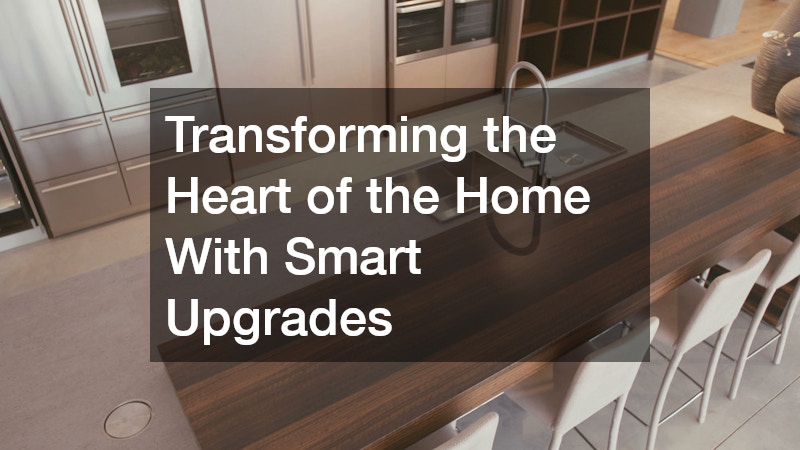
The kitchen is often described as the gravitational center of the household. It is where the morning begins with a quiet cup of coffee and where the day concludes with the sharing of meals and stories. Because this space handles so much traffic and fulfills so many roles—from culinary workshop to social hub—it often shows signs of wear more quickly than other rooms. Engaging a professional kitchen remodeler is the first step toward reclaiming this vital space. These experts understand that a successful kitchen transformation requires a delicate balance between high-end aesthetics and rugged durability.
A smart upgrade involves more than just selecting new finishes; it requires an interrogation of how the space is used. Modern trends have moved away from isolated, closed-off kitchens toward open-concept designs that encourage interaction. By removing non-structural barriers, a professional can create a seamless transition between the cooking area and the dining or living rooms. High-performance countertops, such as quartz or dekton, provide a sophisticated look while resisting the scratches and stains of daily life. Additionally, the integration of smart appliances—fridges that track inventory or ovens that can be preheated via smartphone—brings a futuristic convenience to the traditional tasks of the home.
Turning Unused Lower Levels into Functional Living Areas
For many homeowners, the basement represents a vast, untapped resource. Often relegated to housing the furnace and collecting dusty boxes, this lower level has the potential to become some of the most versatile square footage in the house. A basement remodel can transform a dark, damp storage area into a vibrant extension of the living quarters. The key to a successful conversion lies in addressing the unique challenges of subterranean spaces, such as moisture control, insulation, and lighting.
When properly executed, a finished basement can serve a multitude of purposes. It might become a high-definition home theater, a secluded home office for the remote professional, or a dedicated playroom that keeps toys and noise away from the main living areas. Some homeowners even opt for a “mother-in-law” suite or a guest apartment, complete with a kitchenette and bathroom, providing privacy for visitors or multi-generational living arrangements. By focusing on high-quality flooring options like luxury vinyl plank, which mimics wood but handles moisture excellently, and layered lighting schemes that combat the lack of windows, the basement can feel just as warm and inviting as the levels above.
Creating Comfortable and Modern Bathroom Spaces
The bathroom is perhaps the most private area of the home, and its design should reflect a commitment to personal comfort and rejuvenation. A bathroom remodeling service can help transition a dated, utilitarian space into a spa-like retreat. In today’s fast-paced world, the value of a master bath that offers a moment of serenity cannot be overstated. Modern renovations often focus on creating a “wet room” layout or installing walk-in showers with frameless glass doors to create an airy, expansive feel even in smaller footprints.
Beyond the visual appeal, modern bathroom upgrades prioritize efficiency and technology. Low-flow toilets and faucets reduce water consumption without sacrificing pressure, while heated flooring systems provide a touch of luxury on cold winter mornings. For those looking to truly modernize, features like motion-activated lighting, steam showers, and integrated sound systems can be incorporated. The choice of materials—such as textured tiles for slip resistance and natural stone for a timeless look—ensures that the bathroom remains both safe and stylish for years to come.
Planning Whole-Home Improvements With Expert Guidance

When a renovation project expands beyond a single room to encompass the entire property, the complexity increases exponentially. This is where the expertise of home remodeling companies becomes indispensable. These organizations act as the architects of a homeowner’s vision, providing the structural oversight and design cohesion necessary for a large-scale metamorphosis. Planning a whole-home improvement requires a master schedule that accounts for every detail, from the initial demolition to the final coat of paint.
Expert guidance ensures that the various elements of a renovation don’t feel disjointed. For example, if you are updating the flooring in the living room, a professional firm will ensure that it complements the cabinetry being installed in the kitchen and the tiling in the entryway. They also handle the less glamorous but crucial aspects of remodeling, such as obtaining permits, ensuring code compliance, and managing the logistical dance of various tradespeople. Having a single point of contact for a massive project reduces the stress on the homeowner and ensures that the final result is a harmonious, well-executed vision of modern living.
Improving and Reimagining Lower-Level Home Spaces
Reimagining a basement is a different creative challenge than simply “finishing” it. While basic remodeling focuses on walls and floors, basement renovations are about total atmospheric transformation. Many modern homes are now utilizing the lower level for specialized hobbies that require specific environments. For instance, a wine enthusiast might install a temperature-controlled cellar and a tasting room, or a fitness buff might design a gym with reinforced flooring and floor-to-ceiling mirrors.
A crucial part of reimagining these spaces is the clever use of verticality and ceiling design. Since basements often have lower ceilings with exposed ductwork, renovations frequently involve creative solutions like painted “industrial” ceilings or recessed tray lighting to add a sense of height. Soundproofing is another major consideration; by installing specialized acoustic insulation, homeowners can ensure that a loud movie night in the basement doesn’t disturb those sleeping on the floors above. This level of intentional design turns an overlooked area into a primary destination within the home.
Coordinating Projects for Smooth and Efficient Results
The success of any renovation hinges on the coordination of diverse skill sets. General contractors are the conductors of the construction orchestra. Their role is to manage the “big picture” while staying attuned to the smallest details. They hire and supervise subcontractors—plumbers, electricians, and carpenters—ensuring that each phase of the project is completed in the correct order. Without this central management, a project can quickly fall into chaos, with workers tripping over one another or tasks being completed out of sequence, leading to costly delays and rework.
Beyond scheduling, these professionals are responsible for quality control. They inspect the work at every stage to ensure it meets both the homeowner’s standards and local building regulations. They also act as a buffer for the homeowner, handling the inevitable hiccups that occur during construction—such as shipping delays or unexpected structural issues—without the owner having to manage the minute-by-minute stress. Their ability to troubleshoot in real-time is what keeps a project on budget and on time, making them the most valuable asset in any significant home improvement endeavor.
Refreshing Kitchen Layouts for Better Flow and Function

Over time, even a beautiful kitchen can become frustrating if the “work triangle”—the path between the stove, sink, and refrigerator—is poorly designed. Kitchen renovations often focus on correcting these fundamental flow issues to make cooking and cleaning more intuitive. A refresh might involve relocating an island to provide better clearance or extending the cabinetry to the ceiling to maximize storage and eliminate the “dust zone” above the cupboards.
Functional upgrades also extend to the interior of the cabinets. Modern kitchen design favors deep drawers over traditional base cabinets, as drawers allow for easier access to pots and pans without having to kneel and reach into dark corners. Pull-out pantry shelves, dedicated spice drawers, and hidden trash recyclers further streamline the cooking process. By focusing on ergonomics and movement, a renovation can make a kitchen feel twice as large and significantly more enjoyable to use, proving that how a room works is just as important as how it looks.
Upgrading Bathrooms for Style, Comfort, and Practicality
While the master bathroom often gets the most attention, guest baths and powder rooms are equally important candidates for an upgrade. Bathroom remodeling contractors specialize in maximizing these smaller footprints to make a big impact on guests and daily users alike. For a guest bathroom, the focus might be on “universal design” features that make the space accessible for people of all ages, such as curbless showers and stylish grab bars that double as towel racks.
In terms of style, the current trend favors a blend of organic textures and clean lines. This might manifest as a floating vanity made of warm wood paired with a minimalist vessel sink. Practicality is enhanced through the use of high-tech materials; for example, large-format tiles mean fewer grout lines to clean, and antimicrobial surfaces help keep the environment hygienic with less effort. Whether it’s a quick cosmetic refresh or a full down-to-the-studs gut, these upgrades ensure the bathroom remains a highlight of the home’s interior design.
Enhancing Storage with Seamless Design Features
One of the most common complaints among homeowners is a lack of storage, but adding bulky, freestanding furniture can make rooms feel cluttered and small. The solution lies in the built in cabinet. These custom-designed features are integrated directly into the architecture of the home, providing massive amounts of storage while maintaining a clean, streamlined look. From floor-to-ceiling bookshelves in a study to custom mudroom lockers for shoes and coats, these installations are designed to fit the specific dimensions of the room and the specific needs of the family.
The beauty of built-in solutions is their ability to utilize “dead space.” Nooks under stairs, corners of bedrooms, or the empty walls surrounding a fireplace can be transformed into functional storage. Because they can be finished to match the existing trim and molding of the house, they look like an original part of the architecture rather than an afterthought. This seamless integration not only organizes the home but also adds significant resale value, as buyers consistently prioritize clever and abundant storage solutions.
Bringing New Life to Interiors and Exteriors With Color

Never underestimate the transformative power of a fresh coat of paint. It is the most cost-effective way to completely alter the mood and character of a home. A professional painting company provides more than just manual labor; they offer expertise in color theory and material science. Choosing the right shade involves understanding how light moves through a room at different times of day and how certain colors can make a small space feel expansive or a large room feel cozy.
Exterior painting is equally vital, serving as both a stylistic choice and a protective barrier against the elements. A high-quality exterior finish protects the home’s siding from moisture, UV damage, and pests. Inside, the use of low-VOC (volatile organic compound) paints ensures that the air quality remains healthy for the family. Whether it’s creating a bold accent wall to anchor a living room or refreshing the trim to make the architectural details pop, professional painting is the finishing touch that ties all other remodeling efforts together, signaling that the home is well-cared for and modern.
The completion of a home remodeling journey marks a significant milestone in the life of a property owner. It represents the successful transition from a vision of what “could be” to the lived reality of a space that truly works for its inhabitants. Throughout this process, the focus remains on the synergy between different areas of the home, ensuring that each renovation contributes to a unified whole. When the kitchen is optimized for flow, the basement is reclaimed for leisure, and the bathrooms are turned into private sanctuaries, the home stops being a collection of separate rooms and becomes a cohesive environment that supports every facet of daily life. This transformation is not merely about increasing the market value of the real estate, though that is a practical and welcome byproduct; it is about the “emotional ROI”—the daily satisfaction of living in a space that is efficient, beautiful, and reflective of one’s personal style.
Ultimately, the process of remodeling is an investment in the most important setting of our lives. It is a commitment to excellence and a refusal to settle for “good enough” when “exceptional” is within reach. Whether it is through the bold stroke of a new color on the walls or the precise engineering of custom cabinetry, every update is a step toward a more refined existence. When you stand in a newly renovated room, you aren’t just seeing new materials; you are seeing the manifestation of careful planning, hard work, and a vision for a better way of living. This renewed environment serves as a foundation for the future, providing a beautiful, sturdy, and inspiring backdrop for all the chapters yet to be written in the story of the home. The journey of improvement never truly ends, but each major project brings a home closer to its ultimate potential, creating a legacy of comfort and style that will endure for generations.