
It is easy to get excited about new cabinets, upgraded flooring, or an open-concept kitchen. Most homeowners naturally focus on the finished result when planning a remodel. The problem is that cosmetic improvements rarely solve the hidden issues underneath the surface. In some cases, remodeling without fixing underlying problems first can actually make them worse.
Before choosing paint colors or countertop materials, homeowners should take time to evaluate the condition of the home itself. Addressing structural weaknesses, water intrusion, aging systems, and safety concerns first creates a stronger foundation for every other improvement that follows.
The smartest remodeling projects begin with careful preparation, realistic priorities, and a willingness to solve the problems that are easiest to ignore.
Evaluating Structural Problems Before Making Cosmetic Changes
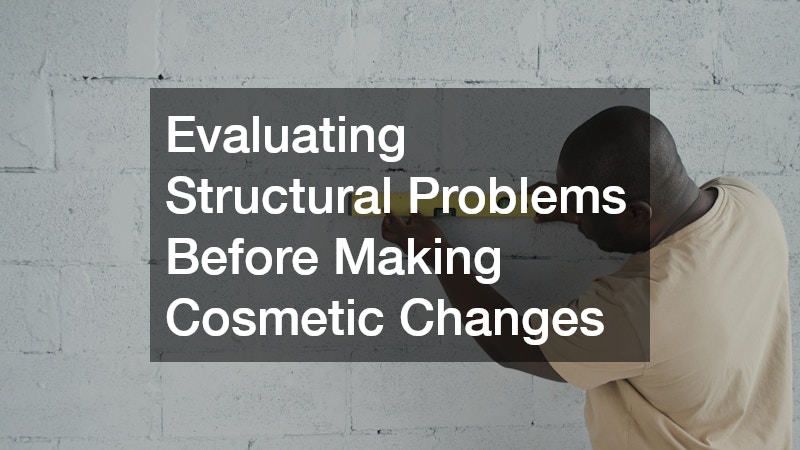
Many remodeling projects uncover hidden structural issues only after demolition begins. What initially seemed like a simple kitchen renovation may reveal cracked support beams, uneven flooring, or shifting foundations. These surprises can quickly expand budgets and delay construction timelines.
That is why structural concerns should always be evaluated before planning cosmetic upgrades.
Small warning signs often point to larger problems underneath the surface. Homeowners may notice doors that no longer close properly, cracks spreading across walls, sloping floors, or gaps forming around windows. While some settling is normal in older homes, significant movement can indicate foundation instability.
A qualified concrete contractor can help determine whether these problems are cosmetic or structural. Addressing them early prevents future remodeling work from becoming damaged later.
Looking Beyond Visible Cracks
Foundation damage is not always dramatic. In many homes, the signs appear gradually over time. For example:
- Hairline cracks near door frames
- Uneven tile flooring
- Water is pooling near the foundation
- Sagging areas in older rooms
- Separation between walls and ceilings
Homeowners sometimes cover these problems with new flooring or fresh paint, hoping the issues will disappear. Unfortunately, cosmetic fixes rarely stop structural movement.
One homeowner renovated an entire downstairs living area before discovering a drainage issue beneath the slab foundation. Within a year, the new flooring began cracking because the underlying problem had never been corrected. The repair process became far more expensive because finished materials had to be removed first.
Why Structural Repairs Should Happen Early
Fixing foundational issues first offers several advantages:
- It protects future remodeling investments.
- It prevents moisture intrusion and shifting.
- It allows contractors to work with stable surfaces.
- It reduces the likelihood of unexpected repairs later.
Structural repairs are not always glamorous, but they create the conditions necessary for successful renovations. Without a stable base, even the most attractive remodel may develop problems within a few years.
Removing Damaged Areas Before Renovation Begins
Some homeowners try to work around damaged sections of the home to reduce costs. In reality, avoiding deteriorated areas often creates larger complications later.
Before remodeling begins, unsafe or heavily damaged materials should be removed completely. This process frequently involves working with demolition contractors who understand how to tear out materials safely without harming critical systems behind the walls.
Demolition is more than simply breaking things apart. A careful removal process protects the home while revealing hidden issues that need attention before construction begins.
Identifying What Should Be Removed
Not every outdated feature requires demolition, but certain conditions should raise concern immediately:
- Water-damaged drywall
- Mold-contaminated insulation
- Rotting subfloors
- Cracked plaster ceilings
- Fire-damaged framing
- Termite-damaged wood
These materials often continue deteriorating beneath new finishes if they are not removed properly.
For example, installing luxury flooring over water-damaged subflooring may temporarily improve appearance, but soft spots and moisture problems typically return. Removing compromised materials first creates a clean, stable foundation for new work.
Preparing for the Disruption
Demolition can be noisy, dusty, and stressful, especially in occupied homes. Planning ahead makes the process easier.
Homeowners should:
- Remove valuables from nearby rooms
- Seal off unaffected areas when possible
- Prepare temporary kitchen or bathroom spaces
- Discuss timelines clearly with contractors
- Expect hidden surprises once the walls are opened
Many older homes contain outdated wiring, hidden leaks, or insulation deficiencies that only become visible during demolition. Discovering these issues early is beneficial because repairs can happen before finishing materials are installed.
While demolition may feel destructive, it is often the first meaningful step toward a safer and more functional home.
Updating Electrical Systems Before Expanding Modern Features
Modern homes place enormous demands on electrical systems. Large televisions, charging stations, smart appliances, security systems, and home offices all require reliable power distribution. Unfortunately, many older homes were not designed for these electrical loads.
Before adding expensive upgrades, homeowners should evaluate whether their wiring and electrical panels can safely support the remodel.
An experienced electrician can identify outdated components that may become safety hazards during renovations.
Warning Signs of Outdated Wiring
Older electrical systems often show subtle signs of strain, including:
- Flickering lights
- Frequently tripped breakers
- Warm outlets or switches
- Two-prong outlets
- Limited outlet availability
- Buzzing sounds inside the walls
These issues may seem minor at first, but they can become more dangerous once additional appliances or lighting systems are added during remodeling.
Homes built decades ago frequently contain aluminum wiring or undersized service panels that no longer meet modern energy demands. Ignoring these problems while remodeling often leads to future disruptions.
Planning for Future Needs
A remodel creates an ideal opportunity to improve functionality throughout the home.
Rather than simply replacing outdated wiring, homeowners should think ahead about how they plan to use the space in the future. For example:
- Will additional outlets improve convenience?
- Is the family considering electric vehicle charging?
- Will smart-home technology require upgrades?
- Could lighting placement improve comfort and efficiency?
Addressing these concerns while the walls are already open saves both time and labor costs later.
Electrical improvements are not always visible after construction ends, but they dramatically improve daily living and long-term safety.
Resolving Roofing Problems Before Interior Improvements
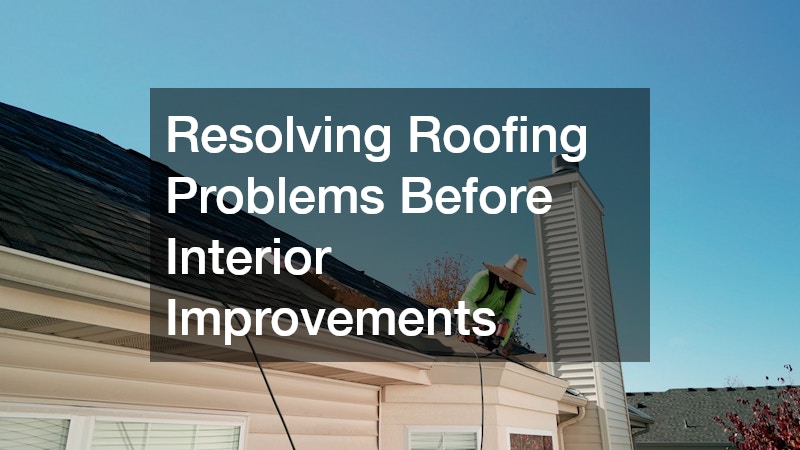
Many homeowners focus heavily on kitchens, bathrooms, and flooring while overlooking the condition of the roof above them. However, even small roofing issues can quietly damage an entire remodeling project.
Before investing in interior upgrades, it is important to ensure the home is fully protected from water intrusion.
Professional roofers often identify damage that homeowners never notice from ground level.
How Roofing Issues Affect the Entire Home
A small roof leak rarely stays isolated. Water can travel through insulation, wall cavities, and ceilings long before visible stains appear.
Over time, moisture may cause:
- Mold growth
- Rotting wood framing
- Ceiling discoloration
- Insulation damage
- Warped flooring
- Electrical hazards
One homeowner spent thousands remodeling a finished basement only to discover months later that roof-related moisture had been entering through an upper wall cavity the entire time.
The repairs required tearing out newly installed drywall and flooring because the leak had never been addressed properly.
Inspecting Roofing Conditions Early
Before remodeling begins, homeowners should evaluate:
- Missing or damaged shingles
- Sagging roof sections
- Flashing deterioration
- Signs of attic moisture
- Gutter overflow patterns
- Ceiling discoloration
Even if a roof does not require complete replacement, repairs should happen before interior improvements move forward.
Protecting the home from water damage is one of the most important steps in any successful remodeling plan.
Improving Heating and Cooling Performance Before Remodeling
Comfort problems become far more noticeable after a remodel is complete. A newly renovated room loses much of its appeal if it remains difficult to heat or cool properly.
That is why heating and cooling systems deserve attention before cosmetic upgrades begin.
An HVAC company can evaluate whether existing systems are capable of supporting the home’s updated layout and energy demands.
Why Remodeling Changes Airflow
Home renovations often alter how air moves throughout the house. Removing walls, adding square footage, or changing ceiling heights can affect airflow patterns dramatically.
In some homes, previously hidden HVAC deficiencies become more obvious after remodeling because insulation levels, room layouts, and occupancy patterns change.
Common warning signs include:
- Uneven room temperatures
- Excess humidity
- Weak airflow from vents
- High utility bills
- Frequent system cycling
A local HVAC service may recommend ductwork modifications, insulation improvements, or updated equipment to improve overall efficiency.
Balancing Efficiency and Comfort
Heating and cooling upgrades do not always require full system replacement. Sometimes, smaller adjustments create meaningful improvements.
Examples include:
- Sealing air leaks around windows
- Adding attic insulation
- Cleaning ductwork
- Installing programmable thermostats
- Rebalancing airflow between rooms
These changes often improve comfort while lowering monthly energy costs.
Homeowners sometimes regret spending heavily on visual upgrades while continuing to struggle with temperature control problems every day. Addressing comfort systems early helps ensure the remodeled space feels as good as it looks.
Repairing Plumbing Problems Before Updating Kitchens and Bathrooms
Few things derail a remodeling project faster than discovering hidden plumbing damage midway through construction.
Kitchens, bathrooms, and laundry rooms rely heavily on pipes hidden behind walls and beneath floors. If those systems are outdated or leaking, cosmetic upgrades may only mask the real problem temporarily.
A trusted plumbing company can inspect vulnerable areas before renovations begin and help determine whether repairs or replacements are necessary.
Common Problems Hidden Behind Walls
Older plumbing systems frequently contain issues that homeowners do not notice immediately.
These may include:
- Corroded pipes
- Slow leaks
- Poor water pressure
- Improper drainage slopes
- Aging shutoff valves
- Rust buildup inside pipes
Even a minor leak behind a wall can gradually damage framing, insulation, and flooring over time.
In one renovation project, a homeowner discovered a slow pipe leak only after new cabinets had already been installed. The cabinets eventually had to be removed to access the damaged plumbing line, significantly increasing repair costs.
Deciding What to Replace
Not every plumbing issue requires a full system overhaul. The decision often depends on the age of the home, pipe materials, and long-term remodeling goals.
Homeowners should consider:
- Whether existing pipes meet current building standards
- If water pressure problems are recurring
- Whether fixtures are being relocated
- How long do they plan to stay in the home
When walls are already open during remodeling, replacing aging plumbing components becomes much easier and less expensive than waiting for emergencies later.
Preventive repairs may not be exciting, but they protect some of the most expensive rooms in the house from future damage.
Managing Drainage Issues Before Water Damage Spreads
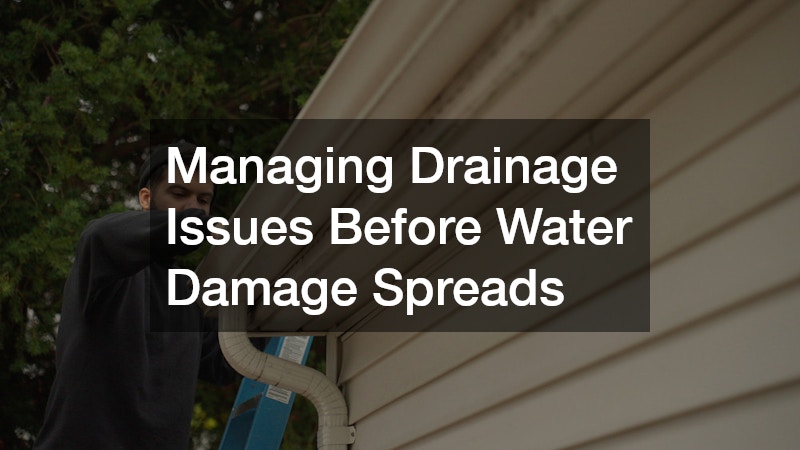
Water management is one of the most overlooked parts of home maintenance. Many homeowners focus on what happens inside the house while ignoring how water behaves outside.
Poor drainage can slowly damage foundations, siding, landscaping, and crawl spaces for years before obvious symptoms appear.
That is why evaluating exterior drainage systems should happen before remodeling begins.
Understanding How Water Affects the Home
When rainwater is not directed away properly, it often collects around the foundation. Over time, this moisture may contribute to:
- Soil erosion
- Basement leaks
- Mold growth
- Foundation shifting
- Wood rot
- Landscape deterioration
Seamless gutters help control runoff more effectively by reducing leaks and directing water away from vulnerable areas.
Without proper drainage, even newly renovated interiors may eventually develop moisture-related problems.
Spotting Early Drainage Problems
Homeowners should pay attention to subtle warning signs after storms, including:
- Standing water near the home
- Overflowing gutters
- Soil washing away near foundations
- Water stains on siding
- Damp basement walls
Drainage issues rarely improve on their own. In fact, they usually worsen gradually over time.
Addressing exterior water flow before remodeling protects both the structure itself and the investments made inside the home.
Addressing Fireplace and Ventilation Concerns Before Interior Updates
Fireplaces often become focal points during remodeling projects. Homeowners may plan to modernize mantels, repaint brick surfaces, or redesign surrounding living spaces. However, cosmetic improvements should never happen before evaluating the condition of the chimney itself.
A chimney repair contractor can inspect structural and ventilation issues that may otherwise go unnoticed.
Why Chimney Problems Matter
Even unused fireplaces can develop serious problems over time.
Common issues include:
- Cracked masonry
- Water intrusion
- Damaged chimney caps
- Blocked ventilation pathways
- Loose flashing
- Interior liner deterioration
Moisture entering through chimney systems frequently spreads into ceilings and surrounding walls. In some homes, homeowners assume roof leaks are responsible when the real issue originates around the chimney structure.
Safety Should Come Before Appearance
A beautifully remodeled living room loses value quickly if hidden chimney problems create safety risks later.
Before updating fireplace surrounds or nearby walls, homeowners should verify:
- Proper ventilation
- Structural stability
- Moisture protection
- Safe smoke exhaust pathways
This is especially important in older homes where masonry deterioration may not be visible from inside the house.
Fixing ventilation and chimney issues first helps preserve both safety and long-term remodeling quality.
Planning Functional Storage Before Finishing Outdoor Spaces
Many remodeling projects focus entirely on interior living spaces while overlooking outdoor functionality. However, inadequate storage often contributes to indoor clutter, garage overcrowding, and long-term organization problems.
Planning outdoor storage early can improve the overall success of a remodel.
A skilled shed builder can help homeowners create practical storage solutions that complement the home’s updated layout.
Why Storage Matters More Than Homeowners Expect
During remodeling projects, homeowners often realize how much equipment, seasonal decor, tools, and outdoor supplies they actually own.
Without dedicated storage space, garages quickly become disorganized, and newly remodeled rooms may start accumulating clutter almost immediately.
Outdoor structures can provide organized space for:
- Lawn equipment
- Gardening supplies
- Holiday decorations
- Sports gear
- Remodeling tools
- Workshop areas
In some cases, adding functional storage improves daily convenience more than certain cosmetic upgrades.
Thinking Beyond Simple Storage
Modern outdoor buildings can serve multiple purposes. Some homeowners use them as hobby workshops, home offices, or flexible utility spaces.
When planning outdoor additions, homeowners should consider:
- Future property needs
- Available yard space
- Drainage conditions
- Electrical access
- Long-term maintenance requirements
Integrating storage planning into the remodeling process creates a more balanced and functional property overall.
Prioritizing Repairs Before Moving Into Cosmetic Upgrades
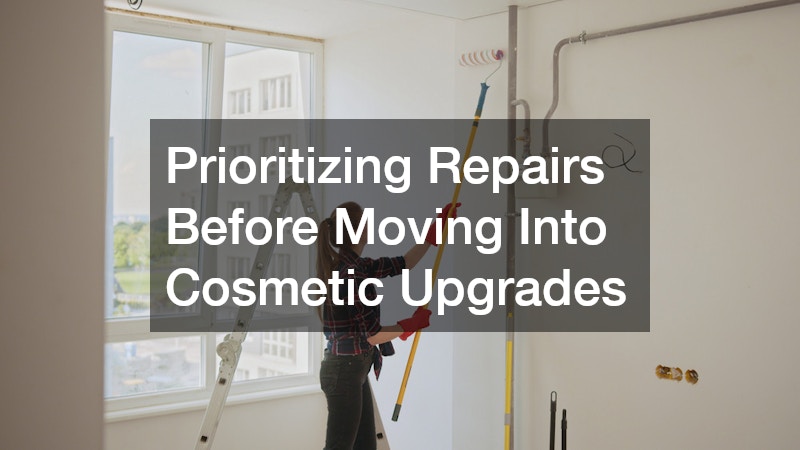
One of the biggest mistakes homeowners make during remodeling is focusing too heavily on appearance before addressing essential repairs.
New flooring, paint, and fixtures create immediate visual impact, but hidden issues determine whether those improvements will last.
The most successful remodeling projects usually follow a practical order:
- Structural repairs
- Water intrusion prevention
- Electrical and plumbing updates
- Heating and cooling improvements
- Interior finishes and cosmetic upgrades
This sequence may not feel as exciting initially, but it protects long-term investments and reduces unexpected setbacks later.
When the hidden systems underneath the surface are strong, every cosmetic improvement becomes more durable, functional, and worthwhile.