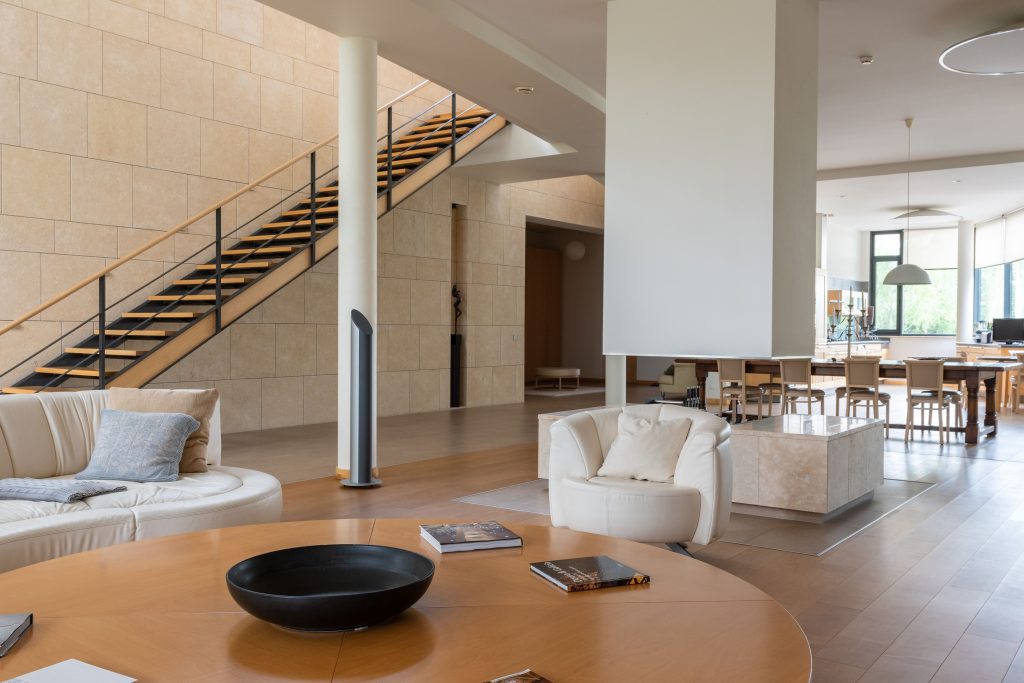
Highlights:
-
Float your furniture layout: Avoid pushing sofas and armchairs directly against the perimeter walls; pulling seating toward the center of the zone creates an intimate conversation space and establishes natural walking paths.
-
Anchor zones with visual cues: Use large area rugs, distinct lighting fixtures like chandeliers or pendants, and subtle accent walls to define separate functional spaces without using physical barriers.
-
Maintain a unifying design thread: Create visual harmony across the entire open layout by keeping a consistent primary neutral wall color and repeating a few chosen accent colors, finishes, and metal tones throughout the space.
-
Layer your lighting sources: Move away from a single grid of overhead ceiling lights by blending ambient, targeted task lighting, and soft accent lighting to give the large room depth and a warm atmosphere.
-
Incorporate soft textiles for acoustics: Combat harsh sound echoes caused by expansive hard floors and open areas by incorporating plush rugs, heavy floor-to-ceiling drapes, and upholstered furniture pieces to swallow sound waves.
-
Prioritize hidden, functional storage: Keep inevitable daily clutter out of sight by investing in multi-functional furniture like storage ottomans, closed credenzas, and floor-to-ceiling built-in cabinetry.
-
Scale up your decor and furniture: Select fewer but larger, more substantial statement pieces—such as an L-shaped sectional or oversized canvas artwork—to prevent items from looking lost or swallowed up by the massive room.
Open-concept living rooms are the darling of modern architecture. They promise a bright, airy environment where the family can cook, eat, and relax together without feeling walled off. By tearing down structural barriers, you instantly make a home feel larger and more connected.
However, designing an open-concept space is much harder than decorating a traditional, walled-off room. When you remove the walls, you also remove the built-in boundaries that dictate where furniture goes, how light behaves, and where activities begin and end. Without a solid plan, a vast open space can quickly start to feel like a chaotic furniture showroom or a cold, echoing warehouse.
If your open floor plan feels a little chaotic or uninviting, you are not alone. Transitioning to an expansive layout requires a different design framework. Let us look at eight common open-concept design blunders and how you can easily fix them to create a harmonious, functional home.
1. Pushing All Furniture Directly Against the Walls
One of the most frequent errors people make when moving into an open layout is pushing all their furniture against the perimeter of the room. In a traditional room, pushing a sofa against a wall creates floor space in the center. In an open-concept layout, this tactic backfires. It leaves a massive, awkward void in the middle of the house and forces your seating elements too far apart for comfortable conversation.
When furniture hugs the outer walls, the room loses its intimacy. Your living zone ends up feeling disconnected from the dining and kitchen areas, defeating the entire purpose of an open layout.
How to Fix It: Float Your Furniture
Instead of using walls as a crutch, float your furniture toward the center of the living zone.
-
Pull the sofa at least a few feet away from the nearest wall.
-
Place armchairs opposite the sofa to create an enclosed conversation circle.
-
Use the back of a sofa as a faux wall to physically divide the living space from the dining area or entry walkway.
-
Leave clear walking paths of at least 36 inches behind the floated pieces so traffic can flow naturally around the seating zone.
2. Failing to Define Distinct Activity Zones
An open floor plan should still function like separate rooms, even if the physical barriers are gone. When you fail to establish clear boundaries for different activities—like lounging, dining, and working—the entire space blends into a visually confusing jumble. You might find your home office desk bleeding into your television area, or your dining table feeling like an extension of the kitchen island.
Without definition, the human eye does not know where to rest. This lack of structure can trigger subconscious stress because the space feels disorganized and lacks purpose.
How to Fix It: Use Rugs and Lighting as Anchors
You do not need walls to define boundaries; you just need visual anchors.
-
Invest in oversized area rugs: A large rug acts as the “floor” for a specific zone. Ensure all major furniture pieces in the living area have at least their front legs resting on the rug to tie the grouping together.
-
Vary your lighting: Hang a distinct chandelier over the dining table, place a large arching floor lamp over the living room sectional, and install pendant lights over the kitchen island.
-
Utilize paint subtly: Consider an accent wall in one specific zone or keep the paint consistent while using different textures, such as wood paneling or wallpaper, to delineate a specific nook.
3. Creating an Inconsistent and Clashing Decor Style
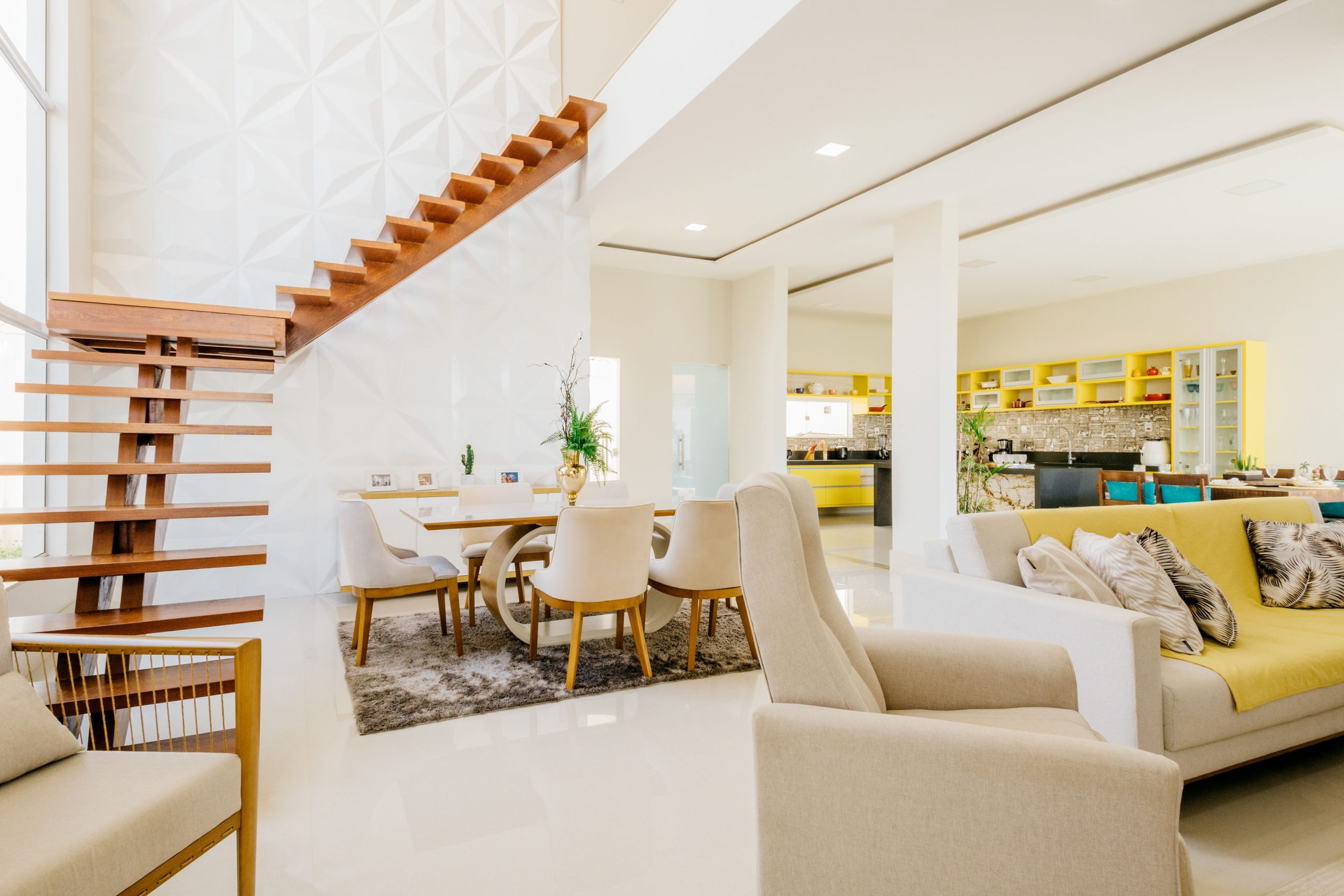
While you want your zones to feel distinct, they cannot look like they belong in completely different houses. A common mistake is decorating the living room in a rustic farmhouse style, the adjacent dining room in ultra-modern minimalism, and the kitchen in a traditional aesthetic. Because you can see every single zone at the exact same time, extreme stylistic shifts create intense visual friction.
Inconsistent color palettes, mismatched wood tones, and clashing design eras will make your open home feel fractured and messy, rather than cohesive and flowing.
How to Fix It: Create a Unifying Design Thread
To make the entire floor plan feel harmonious, establish a continuous design narrative across all zones.
-
Stick to a cohesive color palette: Choose one neutral wall color for the entire open space. Then, pick two or three accent colors and distribute them evenly across the different zones through pillows, artwork, and curtains.
-
Match your architectural finishes: Keep your flooring consistent throughout the entire level. If you have engineered hardwood in the living room, carry it into the dining space and kitchen to visually elongate the floor.
-
Coordinate wood and metal tones: If your kitchen island features matte black hardware, use matte black frames for your living room gallery wall or choose a coffee table with black iron legs.
4. Relying on Flat and Overhead Ceiling Lighting
An open-concept room needs a lot of light, but relying solely on a grid of standard recessed ceiling lights is a major misstep. Overhead canned lights alone tend to wash out a room, creating harsh shadows and making a large space feel cold, clinical, or flat.
Furthermore, a single light switch that turns on every overhead bulb simultaneously destroys the ambiance. If you want to relax on the couch in the evening, you do not want bright, interrogation-style lighting glaring from the kitchen ceiling right next to you.
How to Fix It: Layer Your Illumination Source
Layered lighting is the secret weapon of interior design, especially in expansive spaces. You need to combine ambient, task, and accent lighting to create warmth and depth.
-
Ambient lighting: Use dimmable recessed ceiling lights for overall visibility, but keep them on separate switches for each zone.
-
Task lighting: Add specific fixtures where work happens. Put under-cabinet LEDs in the kitchen, a reading lamp next to the main armchair, and a targeted light over the dining table.
-
Accent lighting: Install LED strip lights inside bookshelves, use picture lights over large artwork, or place small uplights in corners behind large indoor plants to throw beautiful shadows on the walls.
5. Ignoring the Acoustic Echo and Sound Control
When homeowners tear down walls, they often replace carpeted rooms with hard wood or tile floors, resulting in massive expanses of hard surfaces. A major oversight in open-concept living is ignoring acoustics. Without walls and soft surfaces to absorb sound waves, noises bounce wildly around the room.
The sound of someone washing dishes in the kitchen can completely drown out the television in the living room. Similarly, a simple conversation at the dining table can echo like it is taking place in a gymnasium, making the home feel loud, chaotic, and uninviting.
How to Fix It: Soften the Space with Textiles
To fix acoustic issues, you must strategically introduce soft materials that swallow sound. These choices are excellent home upgrades that improve daily living because they directly lower environmental stress and enhance acoustic comfort.
-
Layer large, plush rugs: Opt for thick wool rugs or rugs with high-quality felt padding underneath to dampen the sound of footsteps.
-
Hang floor-to-ceiling drapery: Even if you do not regularly close them, heavy fabric curtains on your windows will absorb a significant amount of bouncing sound.
-
Choose upholstered furniture: Swap out wooden or plastic accent chairs for fabric-covered options. A large fabric or leather sectional goes a long way in breaking up sound waves.
-
Decorate with soft accessories: Maximize the use of throw blankets, plush pillows, canvas artwork, and even tapestry wall hangings to soften the hard boundaries of the architecture.
6. Overlooking the Need for Hidden Storage Solutions
In a traditional home, if your living room is cluttered, you can simply close the door to hide the mess from guests sitting in the kitchen or dining area. In an open-concept layout, everything is on display all the time. If your kitchen counters are piled with mail, your kids’ toys are scattered by the TV, and your coats are draped over the dining chairs, the entire floor plan looks incredibly messy.
A lack of dedicated, smart storage is one of the quickest ways to ruin the aesthetic of a gorgeous open layout. Visual clutter creates mental clutter, and large spaces emphasize disorganization.
How to Fix It: Integrate Hidden and Built-In Storage
Because your storage needs to blend into the architecture, you must invest in furniture that pulls double duty.
-
Utilize built-in cabinetry: Flank your fireplace or media center with custom floor-to-ceiling built-ins. This draws the eye upward and provides massive storage capacity for books, board games, and electronics.
-
Buy multi-functional furniture: Choose a coffee table with hidden drawers, or opt for a storage ottoman where blankets and toys can be tucked away in seconds.
-
Incorporate stylish credenzas: Place a long, closed sideboard behind a floating sofa or along a dining wall to hide paperwork, linens, and extra tech gear completely out of sight.
7. Choosing Small Furniture Pieces That Lack Scale
Scale is one of the trickiest design concepts to master. When homeowners transition from a standard room to a large open layout, they often bring their old, smaller furniture with them or buy delicate pieces out of fear that large furniture will overcrowd the area.
Unfortunately, small furniture gets absolutely swallowed up by a massive room. A petite three-seater sofa and a tiny coffee table will look lost and insignificant in an expansive open-concept living room, making the entire house feel awkwardly proportioned and unfinished.
How to Fix It: Go Big and Bold with Scale
In an open layout, fewer but larger furniture pieces look significantly better than a multitude of small, leggy items.
-
Embrace the sectional: A large, L-shaped or U-shaped sectional sofa is perfect for open concepts. It matches the scale of the room and naturally boundaries the living zone.
-
Choose substantial statement pieces: Instead of a small bookshelf, opt for a massive bookcase. Instead of a tiny coffee table, use a large cocktail ottoman or a wide, rustic wooden table.
-
Hang oversized art: Small frames look cluttered on a massive, unbroken wall. Go for giant canvas paintings, large sculptural elements, or a massive, well-organized gallery wall that spans from floor to ceiling.
8. Routing Foot Traffic Straight Through Seating Areas
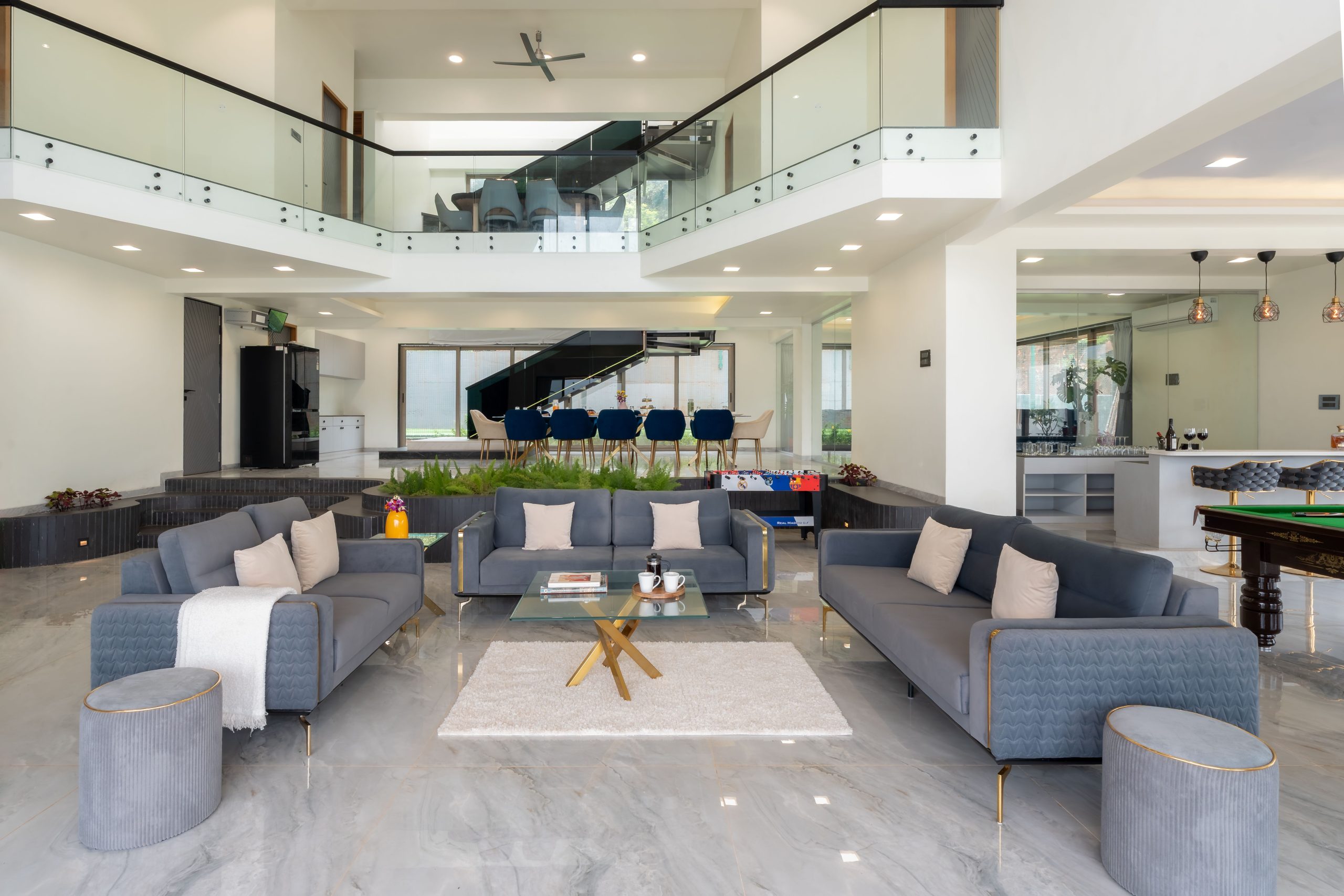
An open floor plan is supposed to encourage fluid movement throughout the house, but if you do not plan your walkways carefully, you will create traffic jams. A common error is setting up the living room furniture in a way that forces people to walk directly between the sofa and the television, or cut right through the middle of a intimate seating circle just to get to the kitchen.
When the natural pathways of your home cut through your relaxation zones, it disrupts conversations, blocks views, and makes the living room feel like a highway rather than a sanctuary.
How to Fix It: Map Out Clear Interior Walkways
Before locking your furniture layout into place, study how you naturally walk from room to room and deliberately leave wide paths open.
-
Keep paths straight and wide: Ensure there is a straight, unobstructed pathway from the main entry point to the kitchen, and from the kitchen to the backyard doors.
-
Arrange furniture into self-contained pods: Arrange your sofa and armchairs closely together so that the natural walkway flows around the back of the seating arrangement, rather than directly through it.
-
Leave breathing room: Ensure there are at least three feet of space between major furniture groupings so family members can pass each other comfortably without bumping into corners.
How to Determine Which Layout Changes Require Professional Help
Fixing the layout of your furniture, swapping out your area rugs, and adjusting your accent lighting are wonderful weekend projects you can tackle on your own. However, if you realize that your current open layout is fundamentally flawed because an old wall was improperly removed, or if you want to install massive overhead support beams to widen the space even further, you must know your limits. Structural changes, major electrical rewiring for ceiling grids, and moving plumbing lines are home improvement projects best left to the pros. Attempting to alter the structural integrity or major utility systems of your house without engineering oversight can lead to dangerous structural sagging, code violations, and costly repairs down the line. Stick to the creative styling yourself and call in certified contractors for the heavy lifting.
Bringing Harmony to Your Open Space
Mastering the design of an open-concept living room comes down to finding the perfect equilibrium between unity and separation. Your goal is to treat the entire area as a single canvas while making sure each functional zone has its own distinct personality and purpose.
By pulling your furniture away from the walls, establishing visual boundaries with rugs, scaling up your furniture pieces, and smoothing out your acoustic echoes, you can easily transform a cold, vast space into a warm, comfortable home. Avoid these eight common design traps, and you will unlock the true beauty, comfort, and flexibility that open-concept living has to offer.