For years, interior design was dominated by clinical minimalism, with homes looking similar: white walls, gray flooring, and showroom catalog furniture. This style, deemed safe and corporate, was driven by the myth of maintaining a blank slate for resale value. Recently, there’s been a shift in how we view living spaces. Homeowners prioritize current comfort and unique aesthetic tastes over designing for future buyers. Modern interior design now emphasizes personalization. A home should reflect its residents rather than resemble a hotel. Personalizing a home involves more than art or decor choices. True customization blends structural changes, functional luxuries, smart technology, and finishes to suit your lifestyle. Whether you entertain, seek relaxation, or want architectural interest, it’s about making your space work beautifully for you.
Flooding Dark Spaces with Natural Illumination
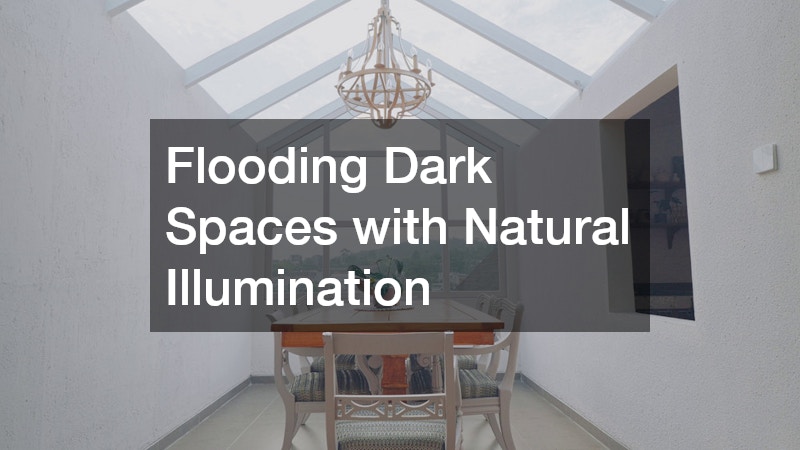
Light has a profound impact on human well-being, circadian rhythms, and perceived spatial volume. Rooms starved of daylight often feel cramped, uninviting, and emotionally draining. To combat this, architectural trends are leaning heavily into vertical lighting strategies. While traditional windows offer views of the horizon, overhead light sources bring in pure, unfiltered sunlight that shifts beautifully throughout the day.
- Evaluate Your Structural Layout: Before making any changes, consult with a structural engineer or general contractor to examine your home’s roof pitch, ceiling joists, and attic access. Knowing what lies beneath your drywall prevents unexpected delays.
- Embrace Vertical Sun Catchers: For deep, centrally located rooms, hallways, or top-floor walk-in closets where standard windows are impossible, vertical glass cutouts are game-changers. A professionally executed skylight installation can instantly turn a gloomy, forgotten room into a bright, vibrant sanctuary filled with natural warmth.
- Utilize Tubular Options for Tight Interiors: If a full structural opening is too invasive, tubular daylighting devices can channel sunlight from the roof down through reflective piping into tight spaces, bringing natural light into areas that previously relied solely on harsh fluorescent bulbs.
Creating Multi-Generational Focal Points in Main Living Areas
The arrangement of the traditional living room has long been dictated by the television, forcing all seating to face a single black screen. The current movement toward personalization actively breaks this cycle, shifting the layout to emphasize warmth, face-to-face conversation, and architectural depth.
- Design for Intimate Conversation: Arrange your seating in a conversational U-shape or a grouping of deep-seated armchairs. This layout encourages family members to put down their devices and engage with one another after a long day.
- Incorporate Variable Textures: Introduce tactile depth to your central wall with raw stone veneer, Roman clay, lime wash, or floor-to-ceiling custom millwork to draw the eye upward and anchor the entire room.
- Select the Perfect Heating Element: The physical hearth remains the ultimate symbol of home and comfort. Adding modern fireplaces—whether you opt for a sleek, ventless gas model, a traditional wood-burning hearth, or a hyper-realistic electric water-vapor unit—gives the room a hypnotic, glowing focal point that provides physical warmth and a soothing ambiance during chilly evenings.
Selecting Statement Surfaces That Balance Drama with Daily Durability
The surfaces you interact with most frequently in a kitchen set the tone for the entire room’s aesthetic. The trend of choosing plain, indistinct white surfaces is giving way to bold, high-character options that act as functional works of art.
- Mix and Match Material Profiles: Do not feel restricted to using a single material throughout the entire kitchen. A rising design trend involves installing a highly dramatic, heavily veined slab on the central island while pairing it with muted, solid-colored work surfaces along the perimeter to keep the space from looking visually overwhelming.
- Focus on Edge Detailing: The profile of your surface edges can completely alter its design style. Mitered apron edges create an illusion of a massive, thick stone block perfect for modern aesthetics, while a classic bullnose or ogee edge lends an air of timeless, traditional elegance.
- Assess Porosity and Long-Term Care: While aesthetics are vital, understanding material science prevents heartbreak. When choosing premium countertops, consider how your lifestyle matches the material. If you cook heavily with acidic ingredients like lemon or wine, a durable engineered quartz or a dense quartzite might serve you better than a highly porous, easily etched traditional white marble.
Designing Intentional Gathering Layouts for Modern Hosting
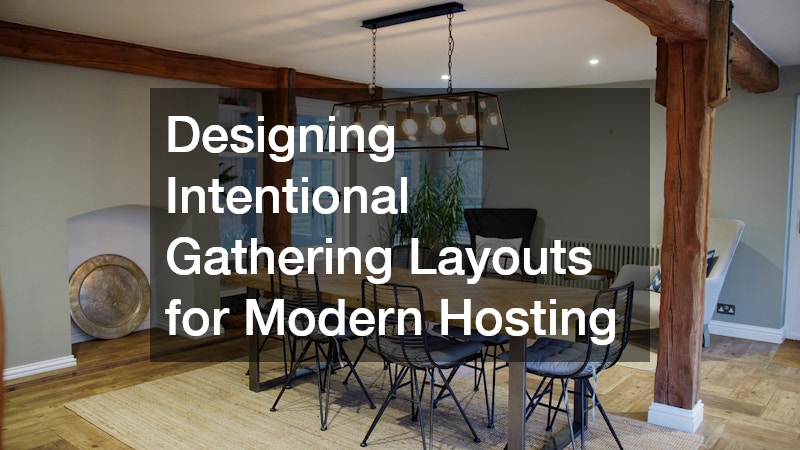
Formal, closed-off dining rooms that are only used twice a year are a thing of the past. Today’s homeowners prefer flexible, open, or semi-open environments that transition effortlessly from a casual breakfast spot to an elegant evening banquet venue.
- Prioritize Seamless Traffic Flow: When arranging your seating, adhere to the standard thirty-six-inch clearance rule. This ensures there is ample room for guests to walk comfortably behind seated individuals without causing awkward traffic jams.
- Integrate Varied and Flexible Seating: To make a space feel less rigid, mix up your seating styles. Try positioning a custom upholstered bench or banquette along one side of a wall and combining it with ergonomic, high-back chairs on the other side.
- Anchor Open Concept Spaces Wisely: In homes with expansive, open floor plans, use distinct visual anchors to define the eating area. Beautiful dining room sets matched with low-hanging statement chandeliers or expansive woven area rugs help delineate the boundary between the cooking area and the social gathering zone without relying on physical walls.
Transforming the Bathroom into a Minimalist Sanctuary
The modern primary bathroom is rapidly evolving from a standard plumbing fixture into a private, resort-inspired wellness retreat. Homeowners are investing in features that reduce visual clutter, amplify light, and mimic the calming sensory experiences of a high-end luxury spa.
- Prioritize Zero-Entry Layouts: Curbless showers create a continuous floor line from the main bathroom into the showering area. This subtle change drastically opens up the visual footprint of the room, making even modest bathrooms feel grand and expansive.
- Opt for Low-Iron Glass Options: Standard glass inherently carries a slight green tint that distorts the color of tile and blocks a fraction of incoming light. Investing in high-clarity, low-iron glass shower enclosures ensures that your premium tile work remains perfectly visible and that daylight bounces seamlessly throughout the space.
- Introduce High-End Fixtures: Pair your seamless glass with rainfall showerheads, wall-mounted body sprays, and digital thermostatic valves that allow you to set your exact preferred water temperature with a single touch.
Maximizing Square Footage with Smart Storage Design
A cluttered home leads to a cluttered mind. Personalizing your storage space is one of the most effective ways to introduce calm, predictability, and efficiency to your morning schedule. Custom storage treats your wardrobe not as mess to be hidden away, but as a beautifully curated boutique display.
- Conduct an Exact Wardrobe Inventory: Before sketches are drawn or shelves are ordered, count your items. Note exactly how many pairs of shoes, long-hanging dresses, folded sweaters, and small accessories you own so the physical infrastructure matches your actual belongings.
- Incorporate Integrated Lighting Elements: Install dimmable LED strip lighting vertically along the interior panels of your wardrobe. This detail eliminates dark shadows, helps you accurately distinguish colors in the early morning, and adds an undeniable touch of luxury.
- Maximize Vertical Space Efficiently: Standard retail shelving units often leave a foot or two of dead space near the ceiling. Opting for a professional custom closet installation ensures that every single inch of vertical real estate is utilized for out-of-season storage, luggage, or specialized organizational bins.
Concealing Advanced Whole-Home Technology
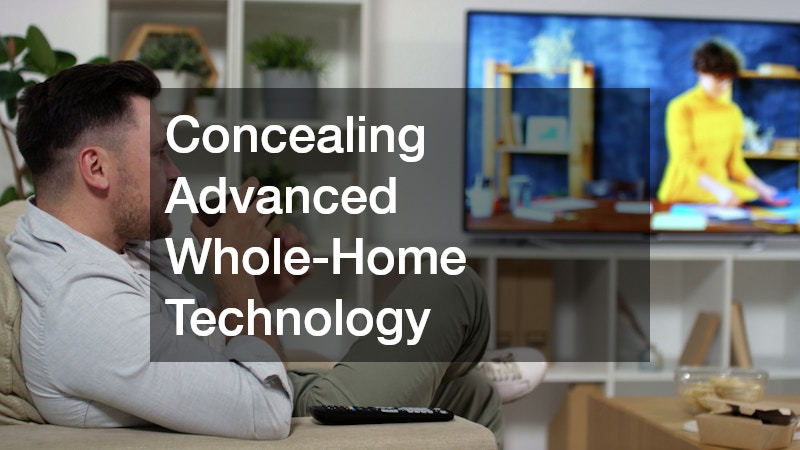
As our homes become more technologically advanced, the challenge becomes managing the sheer volume of devices, cords, and black boxes that threaten our visual design. The ultimate trend in smart home customization is invisible integration.
- Invest in Architectural In-Wall Sound: Instead of placing large, boxy speakers on shelves or stands, look into architectural speakers that mount flush inside your drywall. Advanced models can even be skim-coated over with joint compound and painted, rendering them completely invisible while delivering pristine audio.
- Centralize Your Media Hub: Avoid placing electronic components directly underneath your screen. Run low-voltage wiring through the walls to a centralized media closet, utility room, or basement rack where all your hardware can stay cool, organized, and out of sight.
- Plan Future-Proof Infrastructure: When renovating walls, always run flexible conduit piping. This ensures that as technology evolves, you can easily pull new cables for high-performance audio video systems throughout your home without needing to cut into your drywall again.
Securing Low-Level Spaces for Finished Lounges and Gyms
The basement represents an incredible opportunity to add personalized square footage to a home, providing the perfect footprint for a subterranean cocktail lounge, private cinema, or dedicated home gym. However, before any beautiful design elements can be introduced, you must safeguard the space against subterranean elements.
- Identify the Root of Moisture Intrusion: Basements are constantly under attack from hydrostatic pressure, which forces groundwater through microscopic pores in concrete foundation walls and floor slabs. Look for signs of efflorescence—a white, powdery residue—or musty odors before finalizing design plans.
- Consult the Remediation Professionals: Never attempt to drywall or floor a basement that has a history of dampness. Partnering with experienced basement waterproofers to install interior drainage channels, high-capacity sump pumps, and vapor barriers is an absolute prerequisite to ensure your investment stays dry, safe, and mold-free for decades.
- Select Subterranean-Appropriate Flooring: Even after waterproofing, choose flooring materials that resist moisture inherently, such as premium luxury vinyl plank or polished, stained concrete, rather than traditional solid hardwood which can warp in below-grade environments.
Upgrading Staircases and Crossings with Artisan Metalwork
Staircases and transitions are often overlooked as purely functional necessities. However, treating these high-traffic structural boundaries as opportunities for artistic expression can completely transform the architectural feel of an entry sequence or multi-level living area.
- Emphasize Strong Graphic Lines: Swapping out thick, dated wooden balusters for sleek, dark metal introduces sharp contrast and a sense of lightness. This change makes heavy staircases feel weightless and architectural.
- Align Style with Architecture: Select a design pattern that speaks to your home’s overall aesthetic era. Clean, vertical lines and simple geometric shapes work beautifully in minimalist and mid-century modern spaces, while intricate, hand-twisted elements complement traditional or rustic homes.
- Unify Indoor and Outdoor Transitions: Extend this elevated look beyond your main foyer. Installing a custom-fitted iron railing on your indoor staircases, outdoor balconies, or raised garden decks creates a sophisticated, continuous look that ties your exterior facade directly to your interior styling.
Refreshing Weathered Fixtures with High-Performance Sprays

True personalization does not always require buying completely new items. Sustainable luxury involves recognizing the inherent structural value in existing high-quality elements and upgrading their appearance to match your evolving taste.
- Revitalize Worn Architectural Accents: Instead of replacing heavy, weathered metal windows, structural pillars, or outdoor patio furniture, consider giving them a factory-smooth, incredibly durable face lift right on site.
- Understand the Science of the Spray: Traditional brush painting leaves unsightly strokes and can easily peel off metal surfaces over time. Utilizing electrostatic painting relies on a magnetic charge where the liquid paint is strongly attracted to the grounded metal object, creating a perfectly even, incredibly resilient bond that resists chipping, fading, and intense daily wear.
- Experiment with Modern Matte and Metallic Tones: Use this precise coating method to update dated finishes to contemporary matte blacks, deep bronze tones, or satin brass, completely changing the personality of your metal architectural features without the cost of total replacement.
Personalizing your home is an ongoing journey of aligning your physical surroundings with your personal identity, daily habits, and aesthetic desires. It requires moving past the temporary allure of fleeting internet fads and focusing instead on authentic upgrades that truly enhance your quality of life. From major architectural improvements that change how light travels through your rooms to the subtle metal finishes that catch the afternoon sun, every single decision you make adds a layer to your home’s unique story.
By investing in high-quality materials, protecting your home’s foundational integrity, and leaning into smart, hidden functionality, you create an environment that is not only visually stunning but also deeply comforting. Your home is the backdrop against which your life unfolds. Taking the time to tailor it ensures that it remains an inspiring, comforting, and deeply personal sanctuary for many years to come.