
A home only feels finished when the outdoor spaces work as hard as the indoor ones. Whether you spend evenings grilling with family or you simply want a yard that photographs well and functions better, the right additions can transform how often you actually use your property. The trick is planning improvements in the right order, so each investment supports the next instead of creating conflicts down the road. This guide walks through the most common outdoor upgrades homeowners tackle and what to consider before breaking ground.
Mapping Out Your Outdoor Living Priorities
Before picking a single material or contractor, take stock of how your family actually spends time outside. Some households want a dining and entertaining zone, while others need more storage, privacy, or shade for kids and pets. Walk your property at different times of day to notice sun exposure, wind patterns, and drainage issues that could affect any addition you plan. Writing down a simple wish list, ranked by priority, keeps later decisions grounded instead of reactive.
- Note which areas get afternoon shade versus full sun exposure
- Identify low spots where water pools after rain
- Consider how foot traffic moves between the house, yard, and street
- List must-haves versus nice-to-haves before requesting quotes
Defining Property Lines With Boundary Enclosures
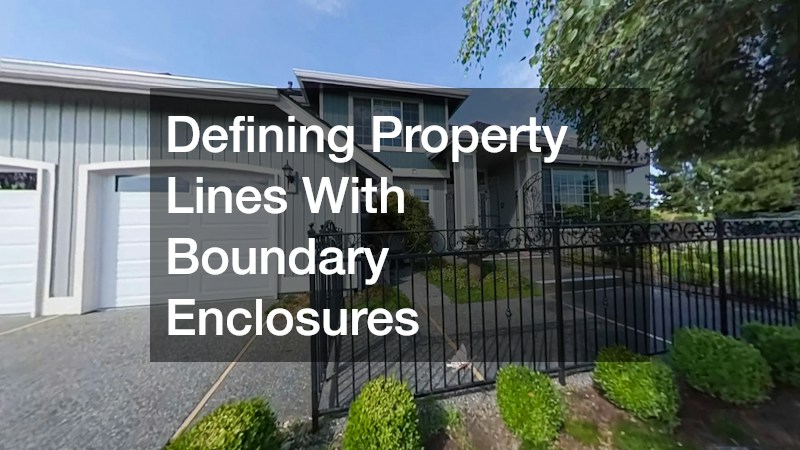
Privacy and boundary definition are often the first outdoor projects homeowners tackle, and for good reason. A well-planned fence can quiet street noise, keep pets contained, and give you a private backdrop for outdoor furniture and gardens. Good fencing also frames the yard visually, giving the rest of your outdoor additions a defined space to work within. Material choice matters just as much as style, since wood, vinyl, and metal all age differently depending on your climate and maintenance habits.
Getting quotes from multiple fence companies before committing helps you compare not just price but warranty terms and installation timelines. Ask about post depth, local frost line requirements, and whether permits are needed in your municipality. A fence installed incorrectly can shift or lean within a few years, so experience matters more than the lowest bid.
- Wood offers a classic look but needs periodic staining
- Vinyl resists rot and requires minimal upkeep
- Aluminum and steel work well for pool enclosures
- Chain link remains a budget-friendly option for large yards
Building an Outdoor Kitchen That Gets Used
An outdoor kitchen sounds like a luxury until you realize how often a functional one gets used compared to a simple grill on a patio slab. Cooking and eating outside changes the rhythm of summer evenings, especially when the layout includes enough counter space, storage, and seating for guests. Before designing one, think about how it connects to your indoor kitchen for hauling ingredients and cleanup.
Working with experienced outdoor kitchen builders can help you avoid common mistakes, like placing appliances too close to combustible materials or forgetting adequate ventilation for enclosed structures. Building codes often require a minimum clearance of several inches between a grill and any wood framing or siding, and enclosed cook centers may need vent hoods or gaps built into the structure to prevent heat and gas buildup. A qualified builder will know the local requirements and won’t leave these details to guesswork. They can also guide decisions about gas lines, electrical needs, and weatherproof cabinetry that will hold up through seasonal changes. This includes choosing between a dedicated propane tank versus running a natural gas line from your home, sizing electrical circuits for refrigerators or lighting, and selecting materials like stainless steel or marine-grade polymer that resist rust, warping, and UV damage. Skimping on these components tends to be the most common regret homeowners have once the kitchen is a few years old. A well-planned layout typically includes a prep zone, cooking zone, and serving zone that flow naturally into one another. The prep zone usually centers on counter space and a sink, ideally 24 to 36 inches wide, so food doesn’t have to travel far before hitting the grill. The cooking zone should have enough clearance on either side for utensils and hot trays, while the serving zone — often a bar or island with seating — keeps guests close without crowding the cook.
- Stainless steel appliances resist rust better in humid climates, but look for 304-grade over cheaper 430-grade for real longevity
- Stone or concrete countertops handle heat and spills well; granite and soapstone also resist staining better than manufactured surfaces
- Covered structures extend usable months in rainy regions, adding weeks of use each spring and fall
- Lighting design matters as much as appliance selection — layer task lighting over the grill with ambient string or post lights
- Position the kitchen near the back door to simplify hauling food, dishes, and trash
- Include at least one weatherproof storage cabinet to keep utensils and tools dry between uses
Choosing Decking Materials That Last
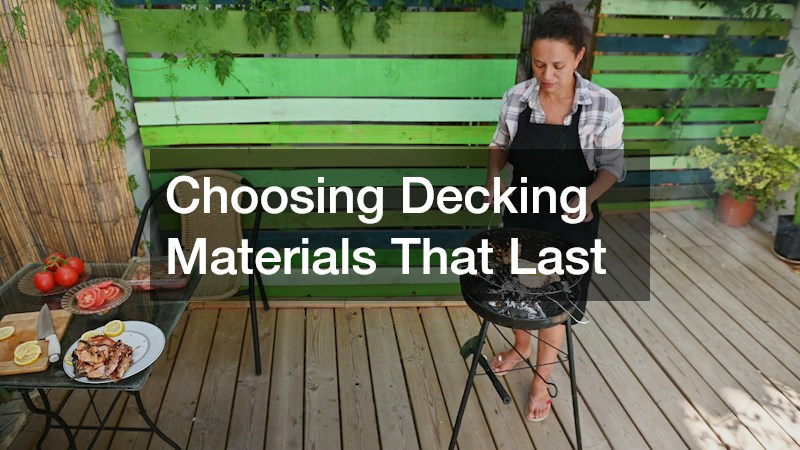
A deck is often the anchor of an outdoor living space, connecting the house to the yard and giving you a stable surface for furniture, grills, and gatherings. Because it takes the brunt of sun, rain, and foot traffic, the material you choose determines how much upkeep you’ll face and how long the structure will actually last. Traditional wood decking looks great initially but demands regular sealing and staining to prevent warping or splintering. Pressure-treated pine is the most affordable option, but it typically needs to be resealed every one to two years and only lasts 10-15 years before boards start cupping or rotting. Higher-end woods like cedar or tropical hardwoods resist decay better, but they cost more upfront and still require annual maintenance to keep their color and structural integrity. Many homeowners are shifting toward composite decking because it resists moisture, fading, and insect damage far better than natural wood over time. Made from a blend of recycled wood fibers and plastic, composite boards typically come with 25-to-50-year warranties and only need occasional washing with soap and water to stay looking new. The upfront cost runs higher than basic pressure-treated wood, but the savings on stain, sealant, and replacement boards often make up the difference within a decade. When comparing options, factor in your climate as well — composite handles humidity and freeze-thaw cycles better, while certain hardwoods may be a better fit for drier regions with less moisture exposure. Also consider foot feel and heat retention: some composite boards absorb more heat in direct sun than natural wood, so lighter colors or capped composite products can help keep the surface comfortable for bare feet.
Composite decking comes in a wide range of colors and textures now, so it no longer looks as artificial as older versions did. Many brands mimic the grain of exotic hardwoods convincingly enough that visitors won’t guess it’s synthetic until they touch it. It costs more upfront than pressure-treated lumber, but the reduced maintenance often balances that difference within five to seven years. Pressure-treated lumber remains the cheapest option at the register, but it demands yearly attention: sealing, staining, and checking for warped or splintered boards. Composite decking, by contrast, mainly needs an occasional wash with soap and water to keep mildew and debris from building up. If you’re the type who forgets seasonal maintenance tasks, that difference matters more than the sticker price. Tropical hardwoods like ipe sit at the premium end, prized for their density and natural resistance to rot and insects, but they require special fasteners and occasional oiling to keep their color from graying. Aluminum decking, though less common, resists fire and won’t splinter or rot at all, making it worth a look for homeowners near wildfire-prone areas. Before choosing a material, think honestly about how much time you want to spend on upkeep versus enjoying the space. Factor in your climate too, since humid regions accelerate wood decay while composite materials generally hold up better against moisture and temperature swings.
- Composite boards typically carry 25 to 30 year warranties, though check whether coverage includes fading and staining, not just structural defects
- Wood decking needs restaining every two to three years, with cedar and redwood lasting longer between coats than pressure-treated pine
- Hidden fastener systems create a cleaner surface appearance and eliminate the tripping hazards that come with exposed screw heads
- Ventilation beneath the deck prevents moisture buildup, so leave at least 12 inches of clearance between the joists and the ground
- Aluminum decking resists rot, insects, and fire better than wood or composite, making it a strong option in high-risk climates
- Board spacing of about 1/8 inch allows water to drain and reduces the chance of warping over time
Protecting the Roof That Shelters It All

Outdoor improvements only matter if the roof over your head is doing its job first. A leaking or aging roof can undermine everything from attic insulation to the structural framing that supports upper-level additions like sunrooms or covered patios. Scheduling an inspection before starting other outdoor projects helps you avoid discovering a bigger problem mid-renovation.
Reaching out to residential roofing contractors for a checkup is worthwhile even if you have not noticed obvious signs of damage yet. They can spot early wear around flashing, vents, and valleys that homeowners typically miss from ground level. Catching small issues early usually costs far less than waiting until water intrusion causes visible ceiling stains or mold growth.
- Missing or curling shingles signal it is time for a closer look
- Granule buildup in gutters often means shingles are wearing thin
- Flashing around chimneys and skylights is a common leak point
- Attic inspections can reveal moisture before it reaches living spaces
Catching Small Problems Before They Become Bigger Jobs
Small roofing issues rarely stay small if they get ignored through another season of rain, snow, or intense sun. A single missing shingle can let water seep into the decking below, spreading damage across a much wider area than the original problem. Prompt roof repair not only protects your home’s interior but also preserves the value of any outdoor structures attached to or near the roofline.
Homeowners often delay repairs because they assume the cost will be overwhelming, but targeted fixes are usually far cheaper than full replacements. Getting a written estimate that separates labor from materials helps you understand exactly what you are paying for. It also gives you a clearer picture of whether patch repairs will hold or whether a larger section needs attention soon.
- Address leaks immediately after storms to prevent interior damage
- Ask for photos of the damaged area before and after repair
- Confirm whether repairs are covered under existing warranties
- Schedule seasonal check-ups to catch problems early
Keeping Garage Access Reliable Year-Round
The garage door gets used multiple times a day in most households, making it one of the hardest-working components of the entire home. A door that sticks, grinds, or fails to close properly is not just an inconvenience, it is a security and safety risk. Springs, cables, and sensors wear out over time even with regular use, so periodic maintenance keeps the system functioning smoothly.
Scheduling garage door repairs at the first sign of trouble, rather than waiting for a full breakdown, usually saves money and prevents you from being locked out unexpectedly. Common issues include worn rollers, misaligned tracks, and sensor malfunctions that cause the door to reverse unnecessarily. A quick professional tune-up once a year can extend the life of the entire system significantly.
- Listen for grinding or scraping sounds during operation
- Test the auto-reverse safety feature regularly
- Lubricate rollers and hinges every few months
- Replace weather stripping if drafts appear along the bottom edge
Repaving and Maintaining Your Driveway Surface
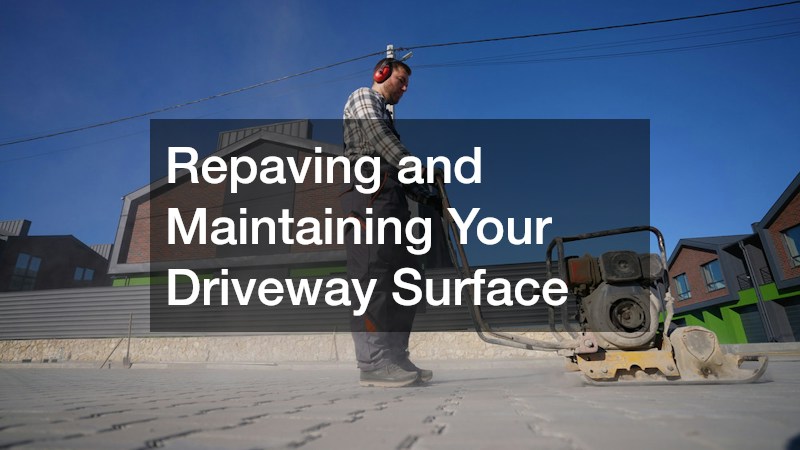
A cracked or uneven driveway does more than hurt curb appeal, it can create tripping hazards and allow water to seep beneath the surface, accelerating damage over time. Asphalt and concrete both have a lifespan, and understanding the signs of deterioration helps you plan repairs before small cracks become potholes. Weather plays a major role here, since freeze-thaw cycles are particularly hard on paved surfaces.
Bringing in a driveway paving contractor for an assessment can clarify whether you need a simple patch, a full resurfacing, or a complete replacement. They can also advise on proper drainage slope, which prevents water from pooling near the garage or foundation. Getting this right the first time avoids repeated repairs that end up costing more than a quality installation.
- Sealcoating every two to three years extends asphalt life
- Cracks wider than a quarter inch usually need professional attention
- Proper base preparation prevents future settling
- Standing water after rain often signals a drainage problem
Extending Parking and Storage Surfaces
Homeowners with larger properties, extra vehicles, or home-based businesses often need more paved surface than a standard driveway provides. Extending a parking area requires careful planning around drainage, base material, and expected weight loads, especially if trailers or larger vehicles will be parked there regularly. Skipping proper grading is one of the most common mistakes that leads to premature cracking.
If you already manage a larger paved area, ongoing asphalt parking lot repair becomes part of routine maintenance rather than an occasional project. Sealing cracks quickly prevents water infiltration that weakens the base beneath the surface. Regular sweeping and debris removal also reduce the buildup of organic material that traps moisture against the pavement.
- Line striping should be refreshed every one to two years
- Potholes should be patched before winter freeze cycles begin
- Proper slope prevents water from collecting near entry points
- Routine inspections catch small cracks before they widen
Adding Shade Structures for Comfort and Protection
Shade changes how usable an outdoor space feels during the hottest months of the year, especially for patios, play areas, and outdoor dining setups. A well-placed structure can drop the temperature in a seating area by several degrees while also protecting furniture and flooring from sun damage. Options range from simple umbrellas to permanent pergolas, depending on budget and how much coverage you need.
For larger gatherings or commercial-style coverage, working with a canopy company can provide durable, weather-resistant solutions that hold up to wind and heavy rain better than off-the-shelf products. Custom sizing also ensures the structure fits your space properly instead of leaving awkward gaps in coverage. Many of these structures can be designed to complement existing rooflines or outdoor kitchen areas for a cohesive look.
- Retractable canopies offer flexibility for changing weather
- Permanent structures typically require footings and permits
- UV-resistant fabric extends the life of shade coverings
- Proper anchoring prevents wind damage during storms
Planning outdoor additions is less about tackling every project at once and more about sequencing improvements so each one supports your daily life. Start with the systems that protect your home, like the roof and driveway, before moving into lifestyle upgrades like kitchens, decking, and shade structures. Getting a few professional assessments early on can save significant time and money as your plans take shape. With a clear priority list and the right partners for each project, your outdoor space can become one of the most used parts of your home.