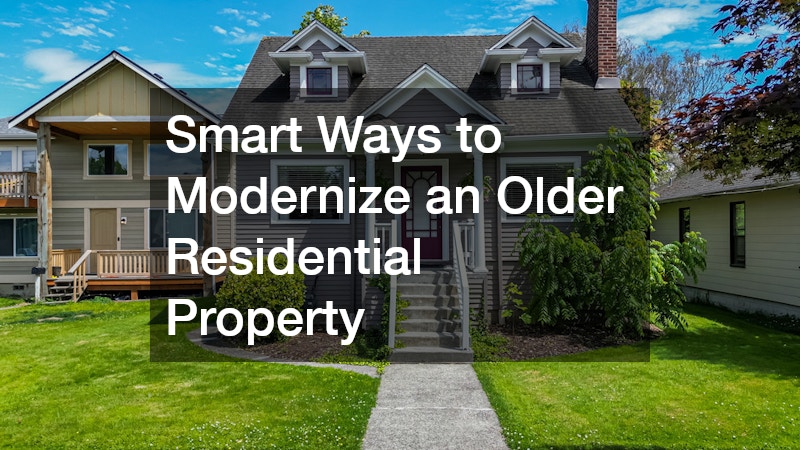
Modernizing an older home is a journey of balancing historical character with contemporary utility. Many homeowners fall in love with the architectural details of a previous era—hand-carved moldings, sturdy plaster walls, or original hardwood floors—only to find that the layout and mechanical systems feel restrictive by today’s standards. The goal of a successful modernization project is not to erase the history of the structure, but to enhance its efficiency, safety, and aesthetic appeal so that it functions seamlessly for a modern lifestyle.
Evaluating the Structural Foundation and Envelope
Before diving into aesthetic transformations, you must ensure the shell of the home is secure. Older homes often suffer from deferred maintenance that can lead to significant issues if ignored. Water is the primary enemy of any aging structure. Ensuring that your drainage systems are functioning perfectly is the first step in any modernization plan. If your drainage systems are failing, water can seep into the fascia boards or foundation, leading to rot that undermines every other interior improvement you make. Keeping up with routine gutter repairs ensures that rainwater is diverted away from the siding and foundation, preventing costly long-term damage.
Once the drainage is addressed, look upward. The roof is the most critical component of the home’s envelope. In older properties, insulation is often insufficient or nonexistent by modern standards. Engaging a local roofing contractor allows you to assess the lifespan of your shingles or tiles while also exploring modern ventilation techniques. A well-ventilated attic and a sealed roof deck not only protect the home from the elements but also significantly reduce the strain on your HVAC system, leading to a much more comfortable and energy-efficient living environment.
Mastering the Art of Interior Layout and Flow
Older homes were often designed with “closed” floor plans, where every room served a singular, isolated purpose. This reflected a time when heating individual rooms was more efficient than heating a whole house. Modern living, however, prioritizes connectivity, communal interaction, and natural light. To modernize effectively, you may need to reconsider the placement of certain walls. This process is complex, especially when dealing with load-bearing structures or aging electrical and plumbing lines hidden within the partitions.
Working with a home remodeling contractor can help you identify which walls can be safely removed to create the open-concept feel that modern families crave. This professional can also assist in navigating the permitting process, which is often more stringent for older residential buildings. By opening the sightlines between the living room and the dining area, you allow light to penetrate deeper into the house, making even a small footprint feel expansive and refreshed. This structural shift often transforms the entire “vibe” of the home from cramped to contemporary.
Establishing Professional Oversight and Structural Integrity
When you begin moving walls and updating mechanical systems, the complexity of an older home becomes apparent. These houses were built before modern building codes, meaning you might find “creative” wiring or plumbing once you open up the drywall. It is vital to have an expert eye overseeing the project to ensure that the house remains safe and structurally sound during the transition.
Consulting a licensed general contractor is essential for managing the moving parts of a large-scale renovation. They coordinate between various trades—electricians, plumbers, and carpenters—to ensure that every update is synchronized. This oversight prevents the common “renovation domino effect,” where fixing one issue inadvertently creates another. With professional guidance, you can ensure that your modernization efforts meet all current safety standards without compromising the historic charm of the building.
Modernizing the Heart of the Home
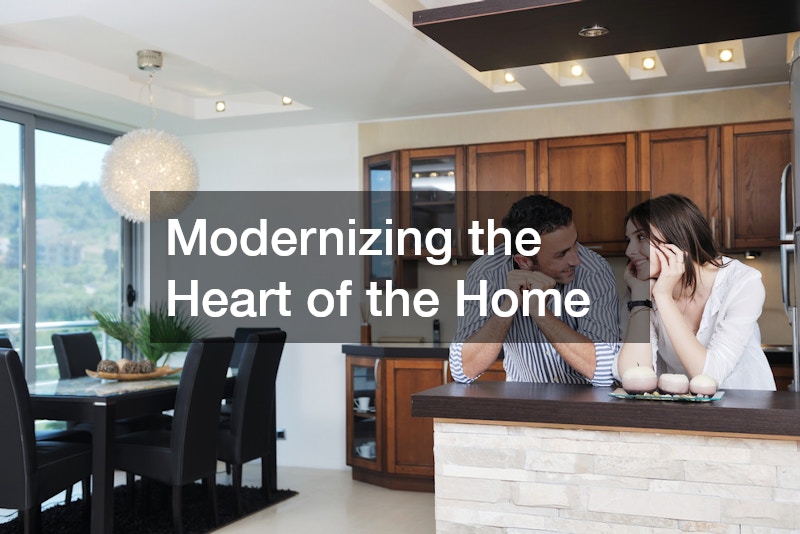
The kitchen is where the age of a house is most apparent. In the past, kitchens were treated as service areas, often tucked away at the back of the house and isolated from the living quarters. Today, they are the social hubs of the home where families cook, work, and entertain simultaneously.
Highly skilled kitchen remodelers specialize in integrating high-end appliances into existing footprints, often finding clever ways to add pantry space or island seating where none previously existed. They can help you choose materials that bridge the gap between old and new—perhaps using a classic subway tile backsplash paired with modern quartz countertops.
Reclaiming Underutilized Subterranean Square Footage
Many older properties have large basements that were originally intended only for laundry, coal storage, or mechanical systems. These “dark” spaces represent a massive opportunity for modernization. Converting a damp, unfinished cellar into a media room, home office, or guest suite is one of the most effective ways to increase your home’s livability without expanding the building’s footprint or encroaching on your yard space.
Expert basement remodeling companies have the tools to address common issues in older homes, such as low ceiling heights, uneven floors, or moisture infiltration. By installing proper vapor barriers, sump pumps, and egress windows, they can transform these subterranean areas into bright, healthy living spaces.
The Power of a Professional Color Palette and Surface Refinement
One of the most cost-effective ways to modernize a home is through the strategic use of color. Older homes often feature dark wood trim, heavy drapes, or outdated wallpaper that can make rooms feel heavy and claustrophobic. A fresh, light-filled palette can highlight architectural details like crown molding while making the walls seem to recede, creating an airy atmosphere that feels much more like a modern gallery.
Utilizing professional painting services ensures that the preparation work—which is often the most difficult part of an older home project—is handled correctly. This includes stripping old lead-based paint safely and patching plaster cracks that have developed over decades. A crisp, neutral white on the trim paired with soft greys or muted earth tones on the walls provides a sophisticated backdrop that allows your modern furniture and art to take center stage.
Enhancing Curb Appeal and Modern Outdoor Living
The modernization of a property shouldn’t stop at the front door. The exterior of an older home often features overgrown or outdated landscaping that hides the beauty of the architecture. To bring the home into the modern era, the landscape should be treated as an extension of the interior living space, with clean lines and functional zones for relaxation and entertainment.
Collaborating with local landscaping companies can help you design a low-maintenance yard that complements the style of your house. They can suggest native plants that require less water and provide year-round interest, replacing the high-maintenance, thirsty lawns common in decades past. Additionally, incorporating a professional hardscaping service can transform a sloped or muddy backyard into a series of usable terraces or a modern stone patio. These structural elements provide the “bones” of your outdoor space, creating a sense of order and permanence that mirrors the quality of the home itself.
Designing Durable and Stylish Outdoor Features

Modern outdoor design focuses on durability and “livability.” For older homes, adding a dedicated space for dining or a fire pit can make the property feel much larger and more versatile. The materials chosen for these projects should be modern in their performance but classic in their appearance to avoid clashing with the original structure. For instance, using modern composite materials that mimic the look of natural wood can provide the aesthetic of a classic deck without the constant need for staining and repair.
Professional hardscaping contractors are adept at selecting the right pavers, natural stones, or retaining wall blocks that will stand the test of time. By creating defined walkways and seating areas, you eliminate the “wild” look often associated with neglected older yards. These upgrades not only make the home more enjoyable for you but also signal to the neighborhood that the property is being meticulously cared for and updated.
Integrating Smart Technology and Invisible Efficiency
True modernization is often invisible. It lives within the walls, the ceilings, and the utility closet. Upgrading an older home’s technology is essential for convenience, but upgrading its efficiency is essential for its long-term viability. This includes replacing old single-pane windows with high-efficiency double or triple-pane units that block UV rays and prevent heat transfer. Adding insulation to wall cavities that were previously empty can also transform a drafty house into a cozy sanctuary.
Integrating a smart home ecosystem allows you to control lighting, temperature, and security from a single interface. This is particularly useful in older homes where light switches may be awkwardly placed or where heating and cooling can be uneven due to old ductwork. By installing a smart thermostat and motorized blinds, you can manage the home’s climate actively, ensuring that the charm of your vintage property isn’t ruined by high utility bills or uncomfortable drafts.
Upgrading Electrical and Plumbing for Modern Demands
In many older residential properties, the electrical and plumbing systems were designed for a different era. A house from 1950 wasn’t built to handle three computers, four televisions, an electric vehicle charger, and multiple high-powered kitchen appliances simultaneously. Modernization often requires a complete service panel upgrade to 200 amps to ensure that the home can safely power contemporary lifestyle demands without tripping breakers or creating fire hazards.
Similarly, plumbing systems in older homes may still feature galvanized pipes that are prone to corrosion and low water pressure. Modernizing involves replacing these with PEX or copper to ensure clean water and consistent pressure throughout the house. While these updates aren’t as “glamorous” as a new kitchen, they are the foundation upon which all other modern comforts rest. They provide the peace of mind that allows you to enjoy your home without worrying about the hidden systems failing.
Focusing on Flooring and Surface Restoration
The floors of an older home are often its most beautiful feature, yet they frequently hide under layers of outdated carpet or linoleum. Modernizing these surfaces usually involves a process of discovery. Peeling back old layers often reveals original heart pine or oak flooring that simply needs professional sanding and a modern, low-VOC matte finish to look spectacular.
In areas where original flooring cannot be saved—such as the bathroom or entry—consider modern materials that offer high durability. Large-format porcelain tiles or luxury vinyl planks can provide a contemporary look while being waterproof and nearly indestructible. Using a consistent flooring material throughout the main living areas is a classic modern design trick that makes a home feel larger and more cohesive. This visual continuity helps the eye travel smoothly from room to room, erasing the “choppy” feel of older, multi-floored homes.
Improving Air Quality and Ventilation
Older homes are often “breathable” in a way that isn’t always good for energy efficiency, yet they can also trap stale air if they haven’t been updated with modern HVAC systems. Modernization should include an assessment of the air quality within the home. This might mean installing an Energy Recovery Ventilator (ERV), which brings in fresh outdoor air while pre-conditioning it using the energy of the exhausted indoor air.
Furthermore, updating old registers and grilles with modern, high-flow designs can improve the efficiency of your furnace and air conditioner. If your older home uses radiator heat, you don’t necessarily have to remove it to modernize; many homeowners choose to keep the radiators for their gentle heat while adding a “mini-split” ductless system for efficient cooling. This hybrid approach allows you to enjoy modern climate control without the invasive process of installing massive ductwork through historic plaster ceilings.
Creating Functional Storage Solutions
One of the biggest complaints about older homes is the lack of closet space. In previous generations, people owned far fewer belongings, and wardrobes were often used instead of built-in closets. Modernizing an older property requires creative thinking to add storage where it never existed. This might involve building out “bump-out” closets in bedrooms or converting a small, unused “nook” into a dedicated mudroom with cubbies for shoes and coats.
Utilizing the vertical space in rooms with high ceilings can also provide modern storage solutions. Floor-to-ceiling bookshelves or cabinetry can turn a plain wall into a functional and aesthetic focal point. By creating a designated place for everything, you reduce the clutter that often makes older homes feel smaller than they actually are. Modernizing storage is about making the home work for your lifestyle, rather than you working around the limitations of the house.
Preserving the Legacy of the Property
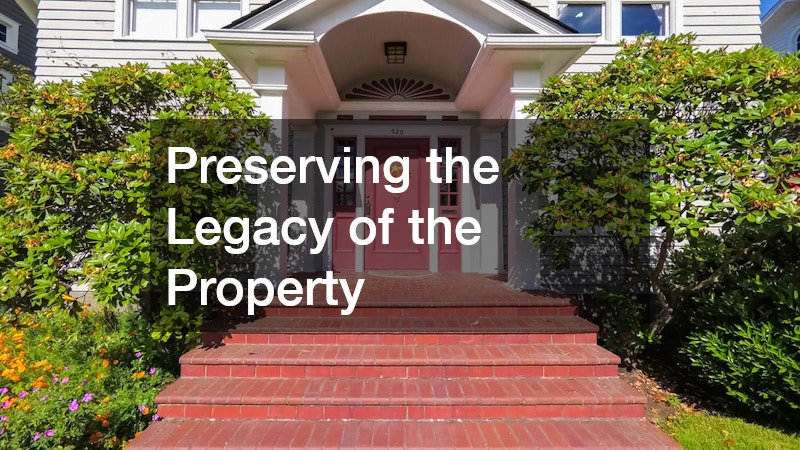
The final step in modernizing an older residential property is knowing what not to change. While it is tempting to replace everything with modern equivalents, the most successful projects are those that retain a sense of history and “soul.” Refinishing original solid wood doors, cleaning up vintage brass hardware, or maintaining a unique fireplace mantel provides a level of craftsmanship that new builds often lack.
Modernization is about evolution, not replacement. By focusing on structural integrity, open flow, reclaimed space, and high-quality finishes, you can create a home that honors its past while providing every comfort of the present. With the right planning and a focus on both the visible and invisible systems of the house, your older property can become a beacon of modern design and efficient living for decades to come. The result is a home that feels timeless—perfectly suited for the way we live today, yet deeply rooted in the history of its community.